How to Solve Damp to Stop Mould
and Make Your Dryzone Hygrometer Happy
Your Dryzone Hygrometer has a permanent frown and you can't figure out why. Perhaps you've spotted damp spots on the bedroom wall or mould in a bathroom corner.
Help is at hand. Simply follow these troubleshooting steps to diagnose the cause of dampness in your home, resolve high humidity levels and keep your home dry and damp-free.

First, ensure that your Dryzone Hygrometer is situated centrally in a room. Place it at about head height, away from radiators, cooking equipment and direct sunlight.
Make note of the two numbers on your hygrometer's display. The top number shows temperature, while the bottom shows Relative Humidity (RH). For a comfortable living environment, aim for 18 to 22 °C and 40 to 60% RH throughout your home.
If RH sits above about 60% for long periods at normal temperatures, condensation will form on cold surfaces. Once RH persistently exceeds about 70–80%, mould growth turns from a risk to a near-certainty.
Notice how the RH peaks after showers, baths, cooking or drying clothes and take note of the time it takes to drop again. This pattern will tell you whether you mainly need better extraction in wet rooms, better background ventilation in living rooms and bedrooms, or both.
Everyday activities can add several litres of water to the air. Our goal is to get that moisture out as quickly as possible, before it settles as condensation to cause mould growth.
Intermittent extract ventilation is a great way to manage moisture in kitchens and bathrooms.
The classic “on-off” fan that runs only when switched on, then often for a set time, is great for clearing short, sharp humidity spikes from showers, baths and cooking.
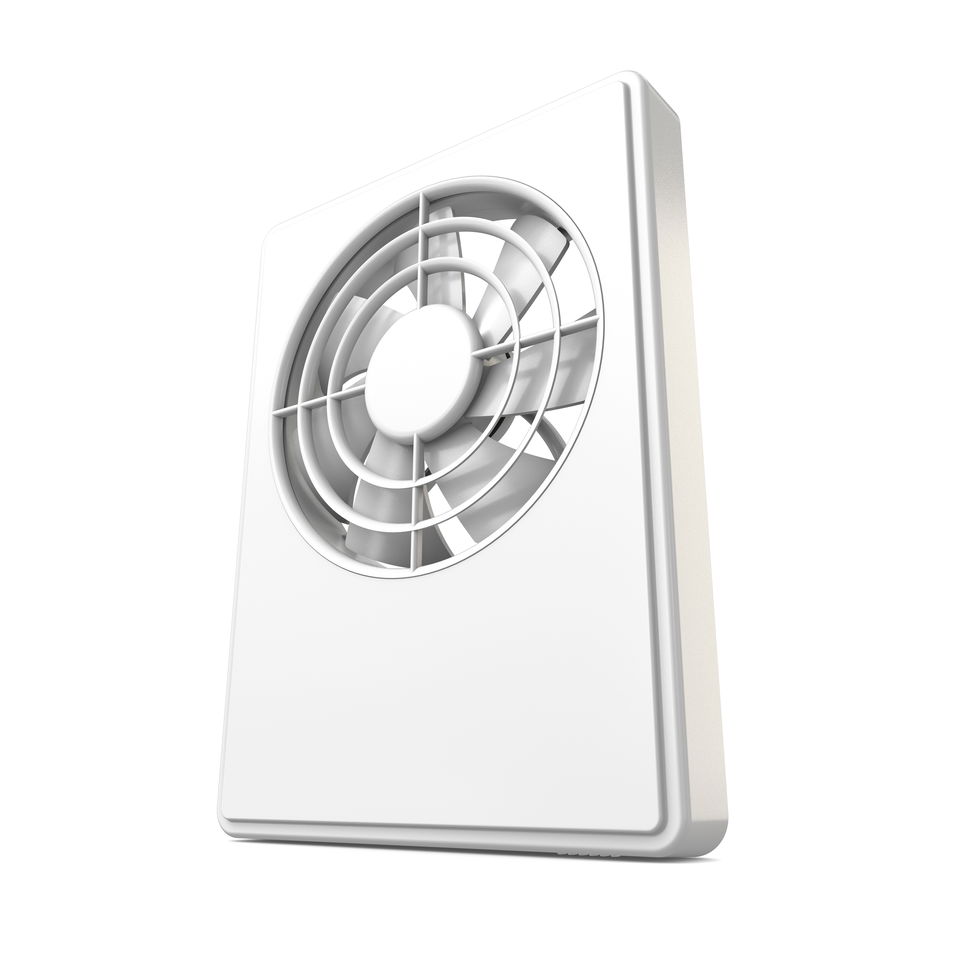
If you do not have a fan in your kitchen/bathroom, or perhaps your current one is noisy and inefficient, a Dryzone In-Line Fan Kit with Timer is a valuable upgrade to ensure your hygrometer spends more time smiling.

In the Kitchen
Cook with pan lids on. Use the cooker hood on extraction mode and keep it running for a short period after cooking. Avoid simmering large open pans for long periods. In lieu of extraction ventilation, open a window to outside. If you do not have kitchen ventilation, fitting some is a priority project.
In the Bathroom
Run the extractor fan while you shower and for at least 15 minutes afterwards. Keep the bathroom door closed during and just after showering. If you do not have a fan, fitting one is a priority project. (note to action and remove: link to below)
When Drying Laundry
Dry clothes outside where possible. If you must dry indoors, keep it to one small load in a well ventilated room and monitor the hygrometer closely. Avoid drying on radiators and consider using a Dehumidifier with a Laundry Drying Mode.
Start with existing ventilation measures
Make sure window trickle vents are open.
Avoid packing curtains or large furniture tight against cold external walls. Leave a small gap, so air can circulate clearly.
Passive ventilation is defined as low-level, always-available airflow provided by trickle vents or wall vents. The aim is gentle, continuous dilution of humid, stale air to manage mositure and pollutants indoors.
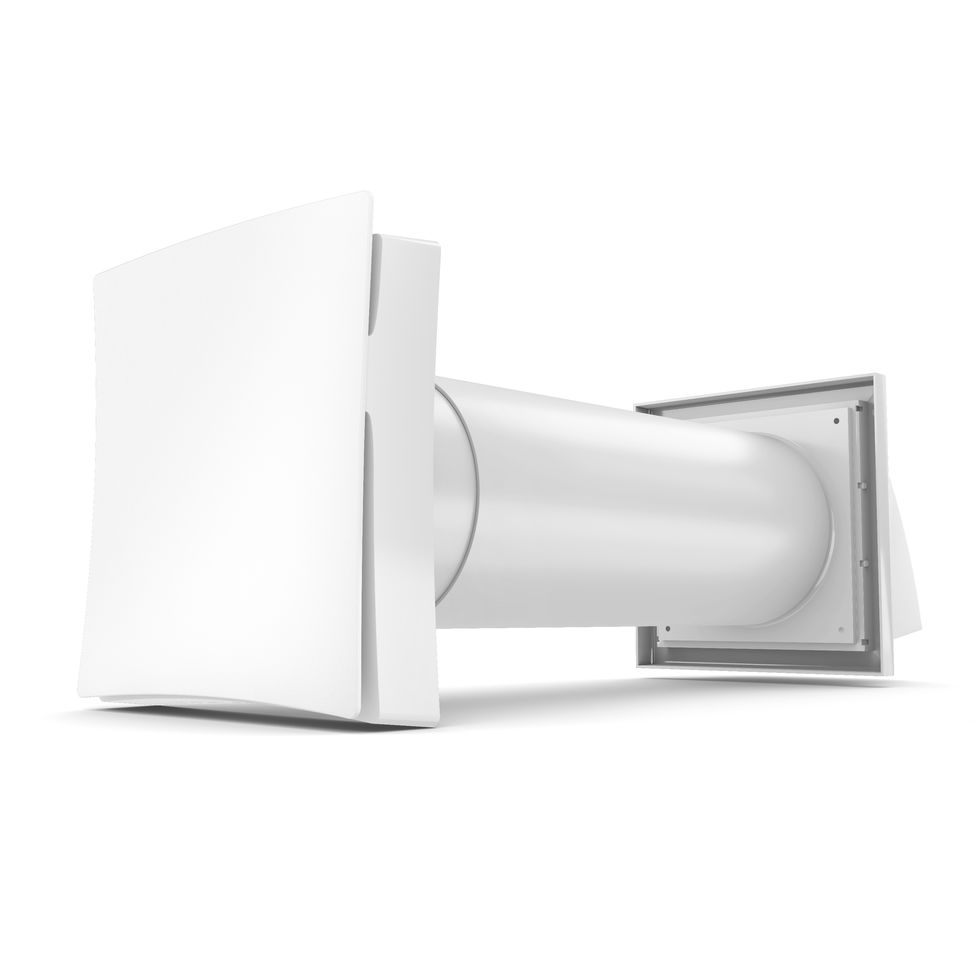
If rooms feel stuffy, windows attract high condensation overnight or there are no existing trickle vents, a Dryzone Telescopic Passive Wall Vent is a practical and relatively simple upgrade to your appropriately heated home. It is silent and non-powered, with an adjustable iris shutter to suit bedrooms and living rooms where you want a constant supply of fresh air.
Place the passive vent high on the wall near the ceiling. It passes through to the outside, supporting natural airflow.
Check your hygrometer to see how passive ventilation improves RH levels in your home.
In a room with a passive vent and a working extractor fan elsewhere, the background RH should gradually stabilise closer to the 40–60% band instead of creeping into the danger zone.
If you still see the hygrometer sitting in the mid-60s and higher, especially overnight, the home may need more than occasional extraction.
dMEV fans run quietly all the time at a low trickle rate, then boost when you need them to or when they sense high humidity. This type of fan is suitable for removing moist air steadily from bathrooms, kitchens and utility rooms.
In a home that suffers from persistent condensation, consider upgrading wet rooms with a Dryzone Continuous Running dMEV Fan. Suitable for both 100 mm and 125 mm ducts, it is designed to reduce condensation and mould in bathrooms, kitchens and utilities while operating at low noise levels.
It maintains constant low-rate extraction, boosting automatically in high humidity to clear moisture from showers and cooking.
Pair with background vents and window trickle vents in living rooms to pull dry outdoor air through the building.
Positive Input Ventilation (PIV) pulls filtered air from the loft and introduces it gently into the home, usually through a central ceiling diffuser. This creates slight positive pressure indoors, so old, humid air is pushed out through natural leakage paths and extraction points.
The Dryzone Loft Cube PIV with Heater is designed exactly for this whole-house job.
It sits in the loft and supplies filtered air at a continuous rate. A built-in heater tempers incoming cold air, ensuring that the air introduced into your living space is not too cold.
The hygrometer should then spend most of its time in the “happy” band.

Ventilation and appropriate heating measures for the season prevent new problems, but they do not remove staining or kill existing growth.
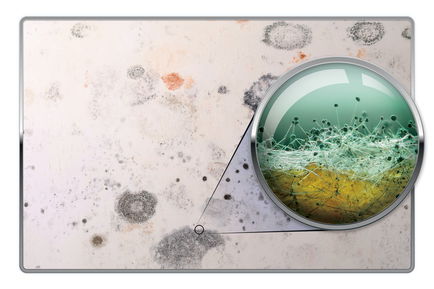
If your home already has black or brown mould spots, treat surfaces immediately.
Here's how to clean and sanitise:
Use Dryzone Mould Eliminator to remove visible mould staining from painted walls, tiles and other internal surfaces. It is a fast-acting cleaner intended for black mould and mildew.
After cleaning and drying, apply Dryzone 100 Mould Sanitiser. This biocidal cleaner is designed to kill mould and mildew and minimise regrowth on treated surfaces.
Where walls repeatedly get cold and damp, consider:
Applying Dryzone Anti-Condensation Paint to bathroom walls. It contains insulating microspheres to create a warmer-feeling surface and increase the time to condensation formation.
Mixing Dryzone Anti-Mould Additive into your chosen paint or wallpaper paste to add mould resistance to the decorative finish.
Keep in mind that anti-mould treatments do not replace ventilation or heating, but work to strengthen the defence.
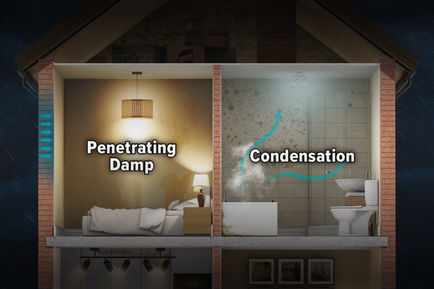
If you've run through the above and your hygrometer is still unhappy, it's time to think beyond condensation. Dampness takes many forms, from rising damp caused by groundwater to penetrating damp seeping in through external walls.
Common signs of structural dampness
Blistered paint or damp marks near floor level
Salty, powdery deposits on the surface of plaster
Persistent damp patches that do not seem to be linked to inhabitant behaviour
Always check the basics. Look for leaking gutters or downpipes, blocked gullies, cracked render, missing pointing and obvious plumbing leaks. Fix these before you treat internal surfaces.
Rising damp is caused by groundwater moving upwards through masonry. It usually shows internally as a damp ‘tide mark’ at low level, often with salty, powdery deposits and crumbling plaster. First, check for bridging and leaks.
Basics First
Check external ground levels. Keep them below the DPC line where possible.
Ensure any present air bricks and subfloor vents are clear and open.
Check for raised ground levels, flower beds, decking or anything that contacts the above and below the DPC.
Rule out traumatic damp. Check pipework, radiators and boilers that lay against ground floor walls.
Rule out penetrating damp. Dampness above the 1.5m mark that correlates with a defect on the external wall suggests further investigation.
If you see classic rising damp signs and the house lacks a functioning damp-proof course, the Dryzone Damp-Proofing System is a homeowner-installable option:
Inject Dryzone Damp-Proofing Cream or Dryrod into the mortar course to create a strong new DPC.
Replaster with the wider Dryzone System to deal with salt-contaminated plaster.
Once the rising damp has been dealt with, the lower parts of the wall will dry over time. This helps bring overall indoor humidity down and makes it easier for your ventilation strategy to keep the hygrometer in range.
For damp floors without a proper membrane, products such as Drybase Liquid-Applied DPM can form a new barrier on concrete slabs, provided you follow the datasheet and use suitable floor finishes. If in doubt, consult a professional.
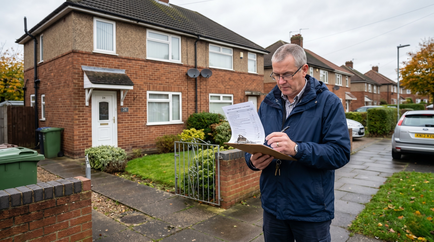
Penetrating damp is caused by moisture driven through the wall from outside. It is often caused by rainwater. Internally, look for damp patches that match up to external defects.
Check the house exterior
Leaking gutters or downpipes
Blocked gullies and overflows
Cracked render or missing pointing
Failed sealant or flashings at windows, doors or roof joints
Fix these faults before you treat the masonry. If the external wall is now sound but still soaks up rain, consider applying Stormdry Masonry Protection Cream on bare brick, block or stone. This breathable water-repellent cream for external masonry helps to protect against penetrating damp. When applied to clean, dry masonry, it lines the pores to block liquid water while letting water vapour escape.
As the wall dries, it stays warmer in wet weather to help contribute to energy efficiency.
Very low RH is less common in UK housing due to climate and builds, but can occur in tightly sealed and overheated spaces.
If your hygrometer frowns at low humidity:
Avoid overheating the house. Very high temperatures with low RH feel uncomfortable and waste energy.
When using a dehumidifier, make sure it shuts off at low humidity levels.
To keep damp and mould away, always aim for steady moderate conditions rather than big swings in temperature and humidity. A temperature between 10 - 21 °C and an RH between 40 - 50% tends to be the sweet spot of comfort for most people.
After all that hard work, your hygrometer’s emoticon should stay in the happy or neutral range much more often. If you see several days of frowns in a row, or the RH climbs back into the high 60s or 70s, revisit ventilation, your home's heating routine and the building fabric itself. Ensure all fans are running on an appropriate setting for your home and that all filters are clean.
Well done! The smiling face of your Dryzone Hygrometer reflects the great work you've done to keep humidity, damp and mould in check.
How can we help?
Related Pages
Get it Done


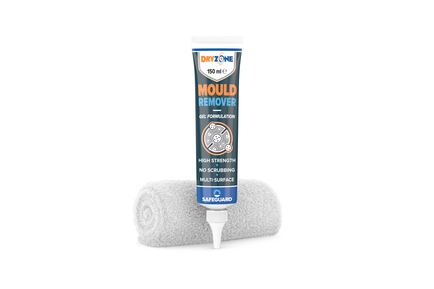
Remove stubborn mould stains from hard-to-clean areas with Dryzone Mould Remover Gel.
Read More
Although mould often becomes visible during colder months, the conditions that allow it to develop may exist long before winter arrives. Taking action during summer can reduce the risk of complaints, protect the condition of the property and help keep accommodation healthy and comfortable for tenants.Here are five practical steps to take before the new academic year begins:
Read More
Keeping mobile, TV & laptop screens clean is important for productivity & hygiene. Here are five rules for cleaning screens perfectly.
Read More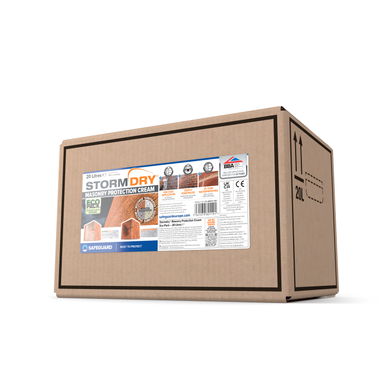
Reduce plastic use on site with Stormdry Masonry Protection Cream - now available in 20L Eco packaging.
Read More
Wasps, hornets and nests cause big problems in summer. Read this to find out how to locate, identify and get rid of wasps and hornets.
Read More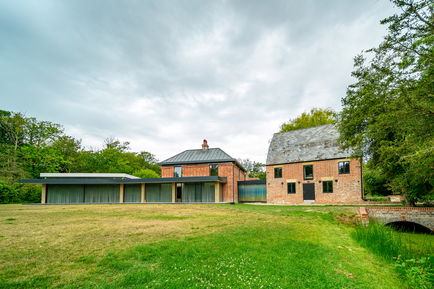
Find out how we helped dry out this 18th century Grade II listed mill house renovation in the New Forest
Read More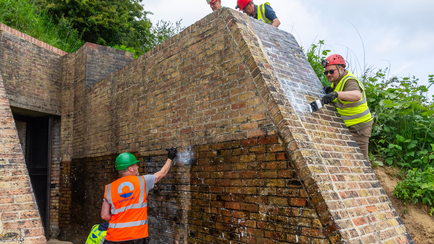
Discover how Stormdry Masonry Protection Cream was used on World War 2-era gun battery magazine buttresses at Dover.
Read More
With Tibby Singh and YDC Basements, Safeguard waterproofed a basement at an end of terrace home in Leeds using Drybase Tanking System.
Read More


Subscribe to get information about products and offers.