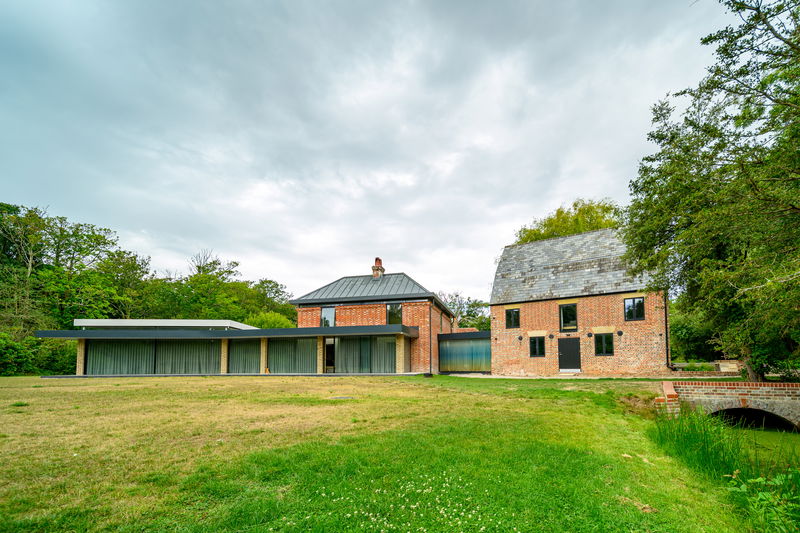
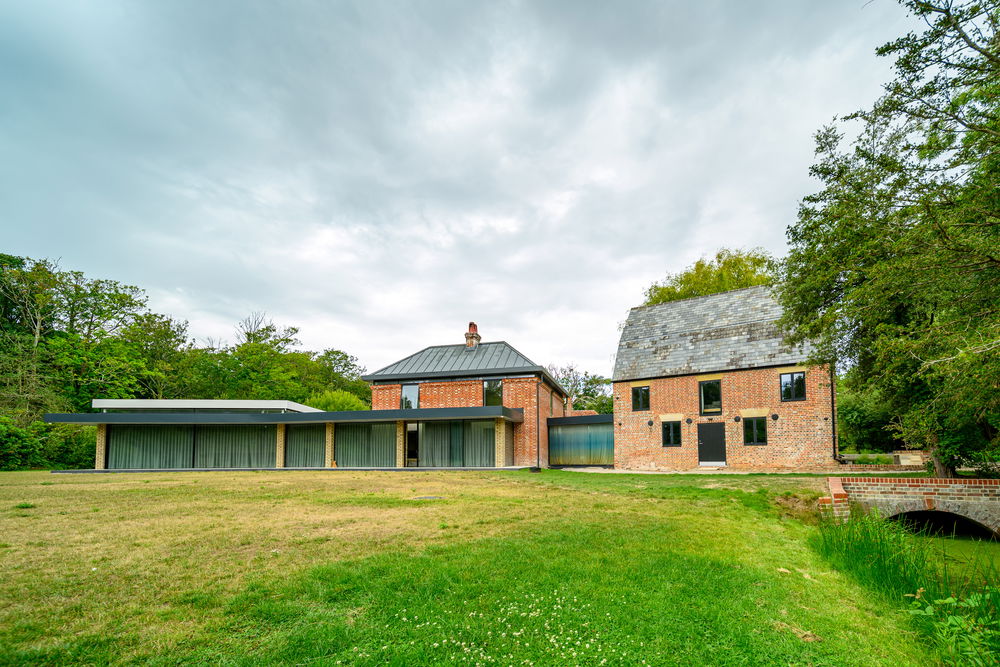
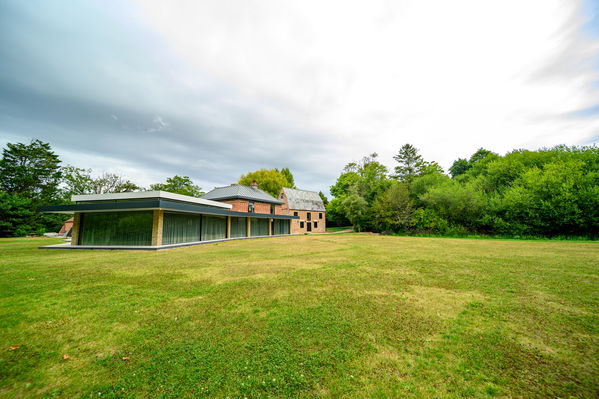
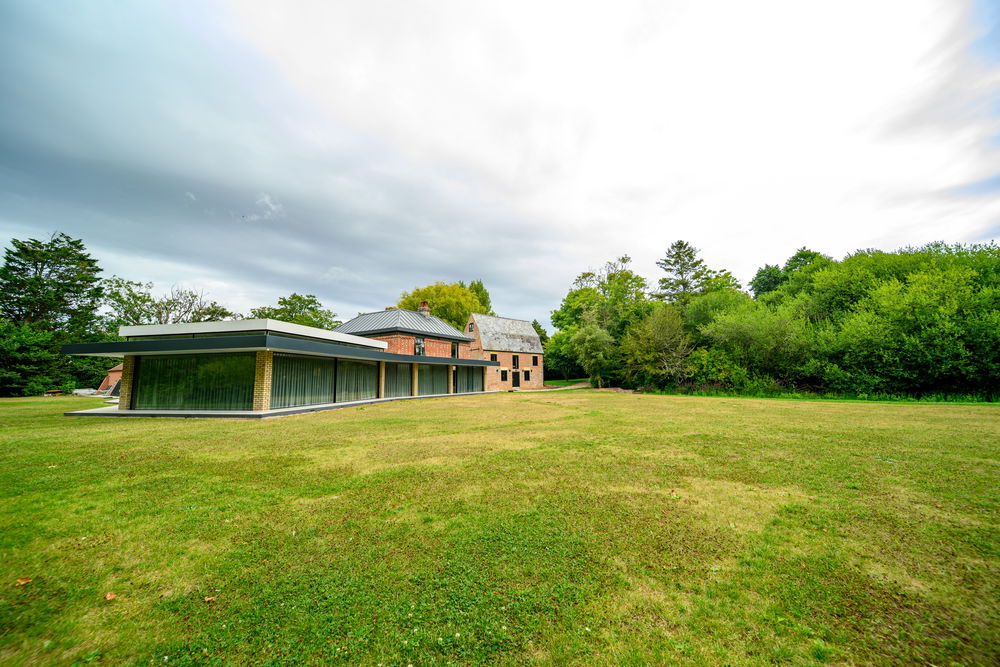
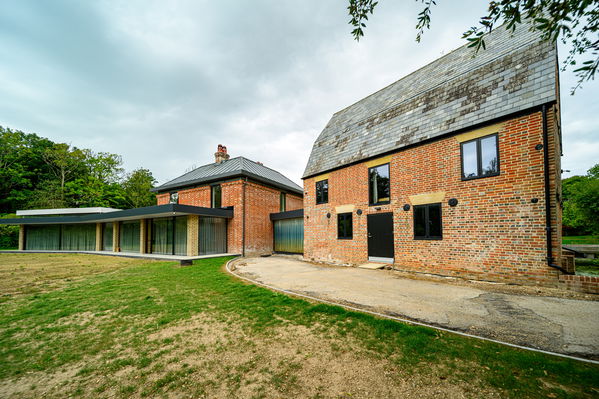
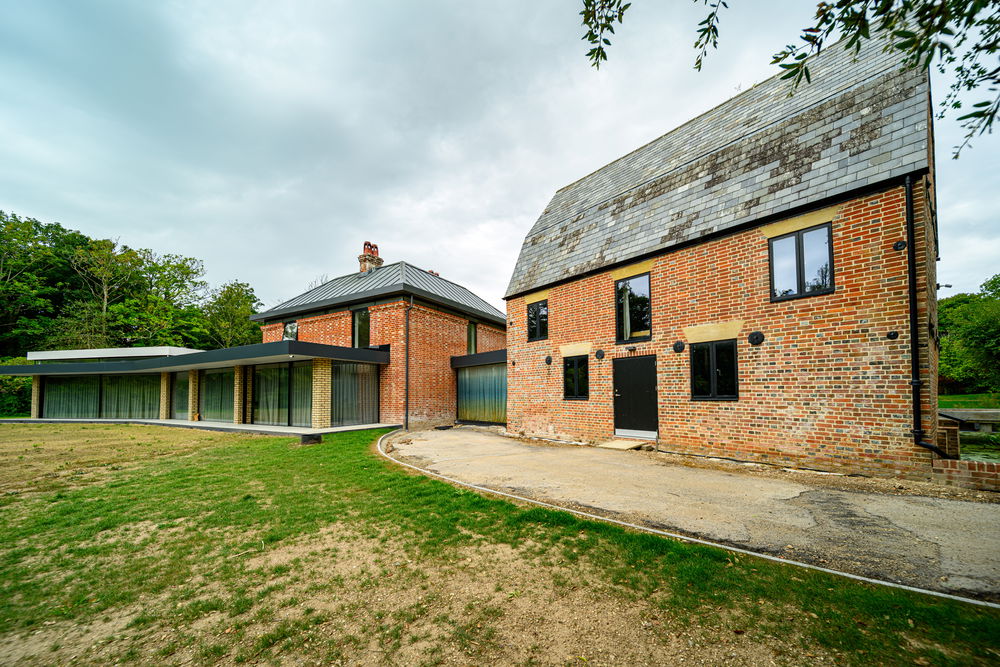
The Old Mill complex comprises three historic buildings in the New Forest: the Coach House, Mill House and the Mill itself. These buildings have undergone extensive renovation works and are connected by a shared interlinking structure. The complex sits between two small flowing water bodies.
In February 2023, the homeowner contacted us to diagnose dampness affecting the interior decoration of the Mill House.
The Mill House was undergoing an extensive renovation that involved the preservation of existing structures as well as the creation of new ones to complement the original building.
“We’ve used a number of Safeguard products throughout our historic renovation project, and the support from their technical team has been outstanding. Their science-led approach helped us identify the most suitable product for each specific situation, backed by detailed, case-specific guidance to ensure we achieved the best possible results. The products themselves have been straightforward to use—particularly the Dryzone DPC cream, which allowed us to carry out the work ourselves without the need for a contractor. A great company with simple, effective solutions that really work.”
Simon Davies, owner of The Old Mill
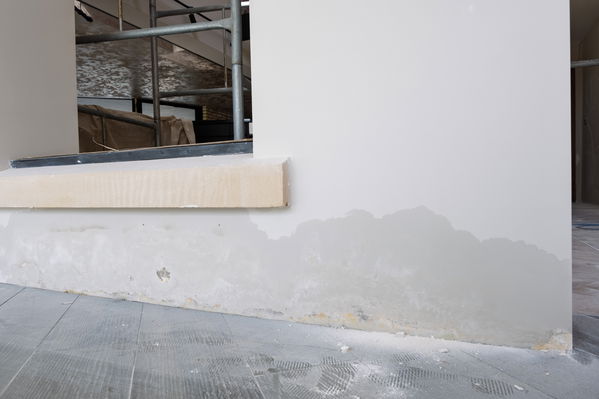
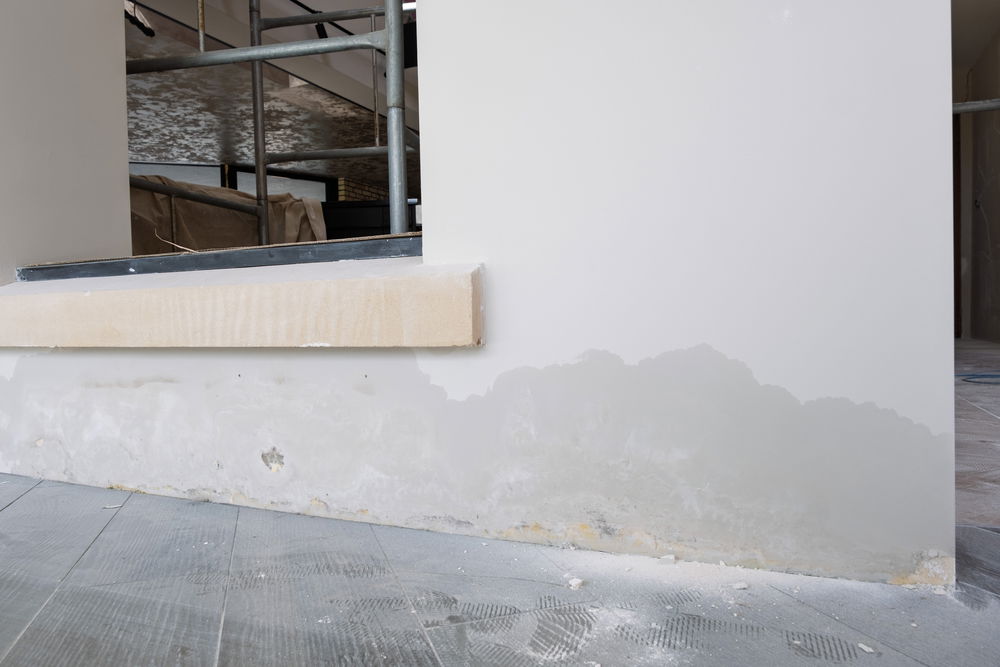
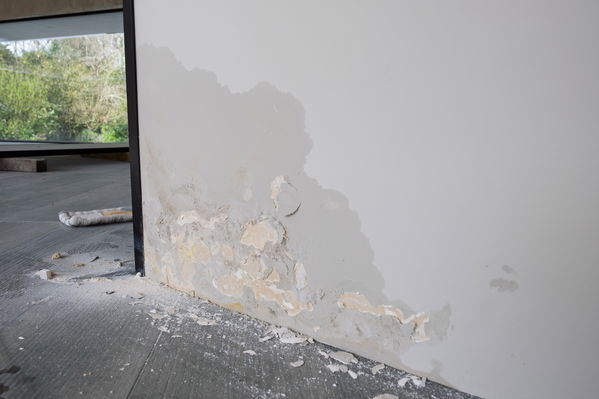
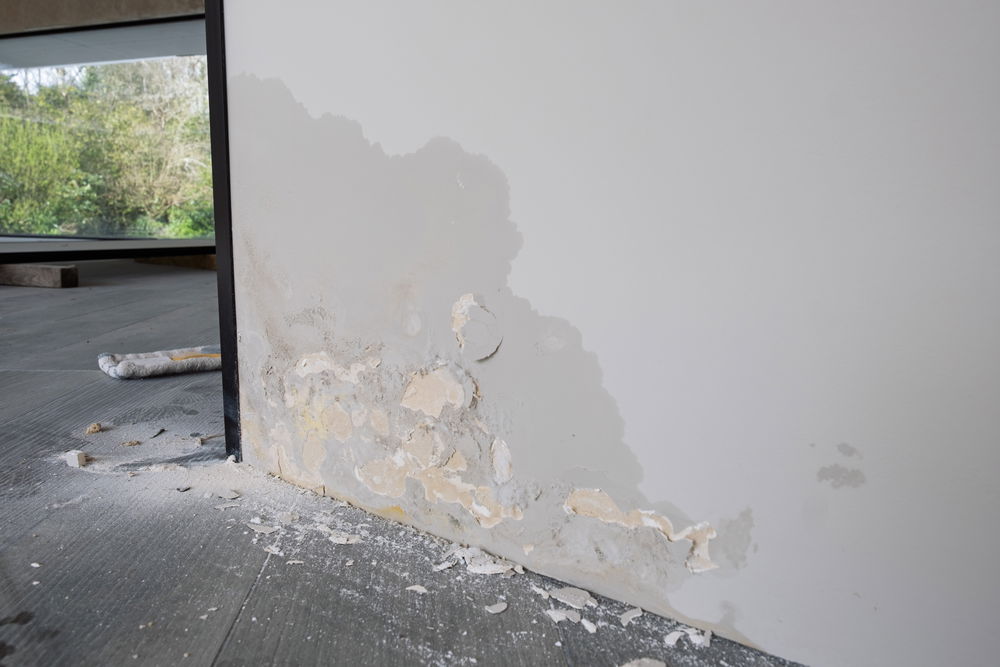
A glazed extension was built to partially surround the historic Mill House, which meant that most of the original external walls were now internal.
Renovation works were ongoing. The masonry and stone walls were coated with a lime plaster system and finished with a clay paint. No damp-proof course was present, and as such, dampness and salts were present throughout the original structure.
Due to the building's close proximity to a pond and stream, it was surrounded by a high water table, making groundwater the likely source of the dampness.
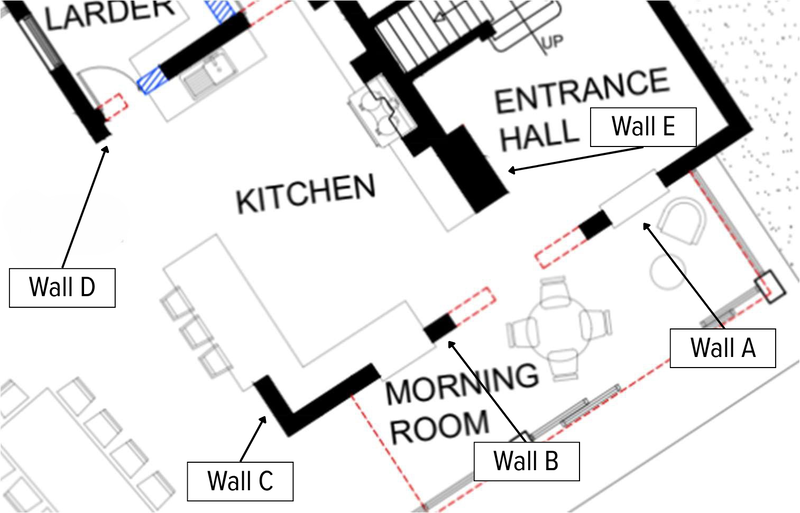
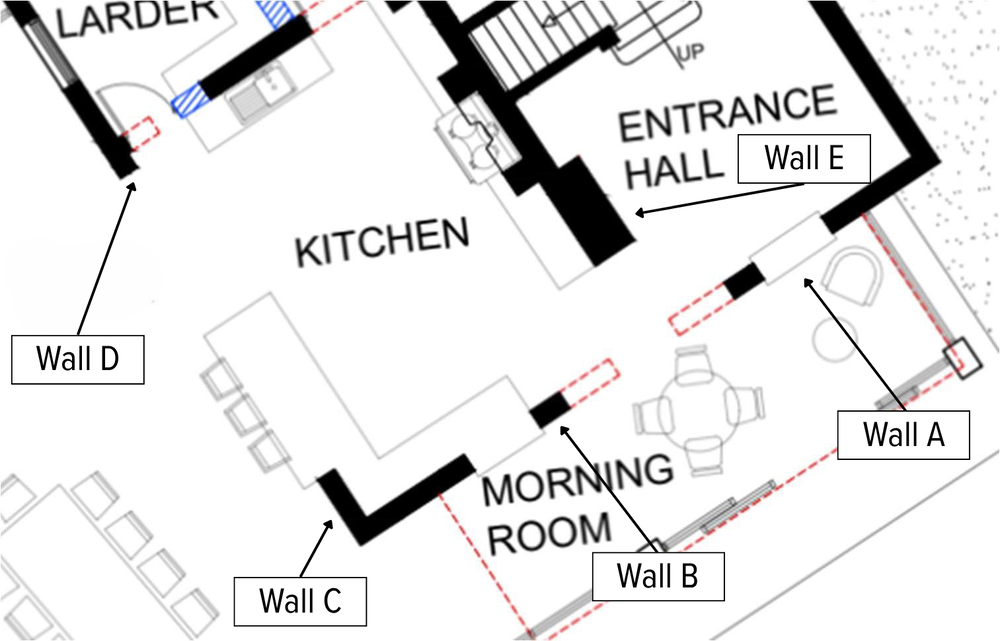
Five separate walls on the property displayed varying signs of dampness, suggesting there could be other issues beyond groundwater.
Wall A and Wall B are both original external walls made internal by the glazed ‘Morning Room’ extension.
Wall A has areas inside the glazed wall as well as an exterior section.
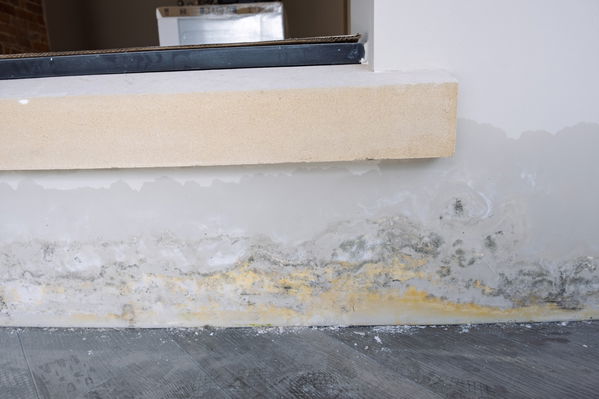
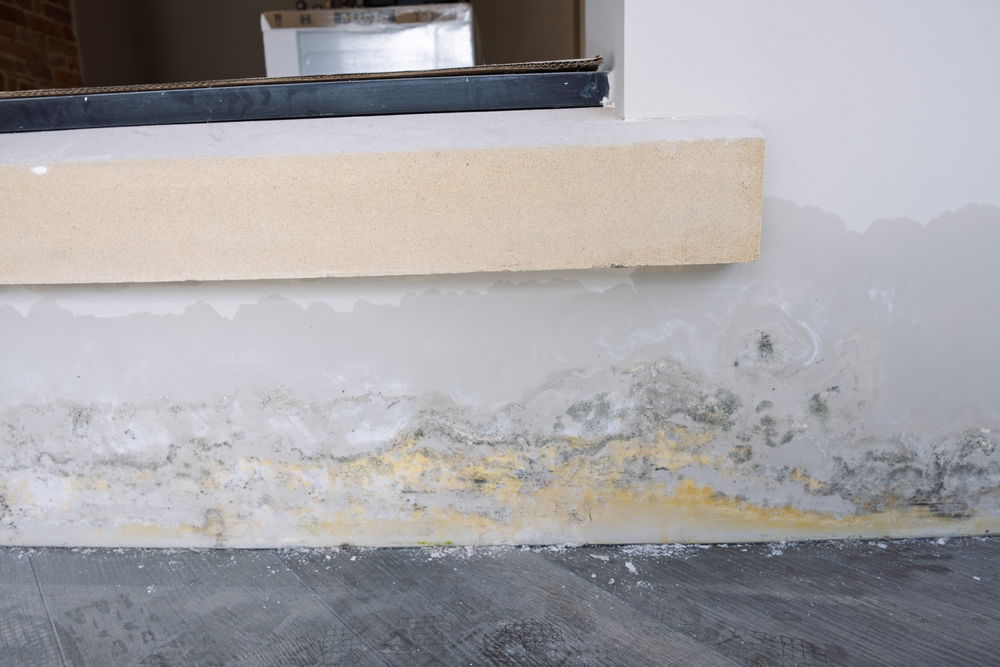
The interior of the wall had a fibre insulation system installed. The exterior wall had been treated with lime plaster and a clay paint finish. The wall was wet, with mould and efflorescence visible on the surface.
Wall B, an internal wall with the same structure as Wall A, exhibited two distinct patches of damp, with mould, algae and salt efflorescence present. Moisture levels on Wall B were lower than on Wall A.
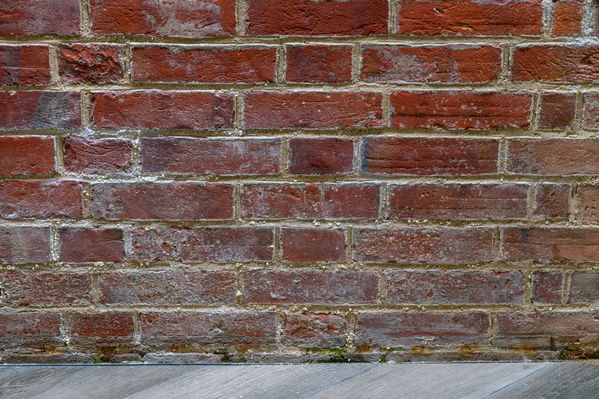
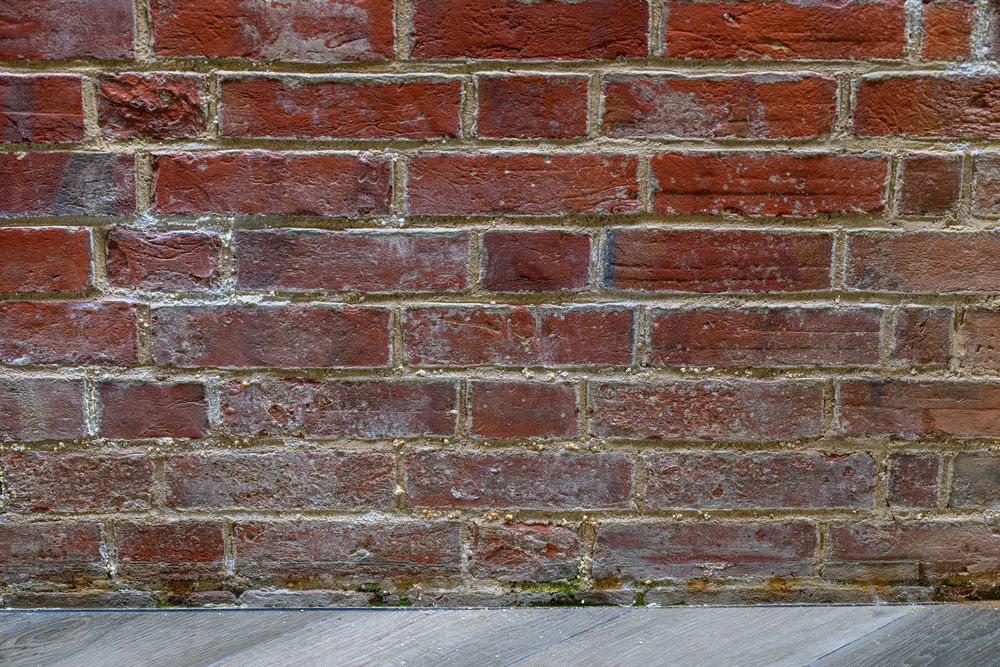
Wall C was a bare, originally exterior, brick wall now located within the glass structure. This wall adjoined Wall B. Salt efflorescence was visible on the bricks and mortar joints.
Wall D was similarly located to Wall C. Small amounts of salts were visible on the mortar. The end of this wall was covered in a lime plaster finish. Damp patches were noted at the bottom of this section.
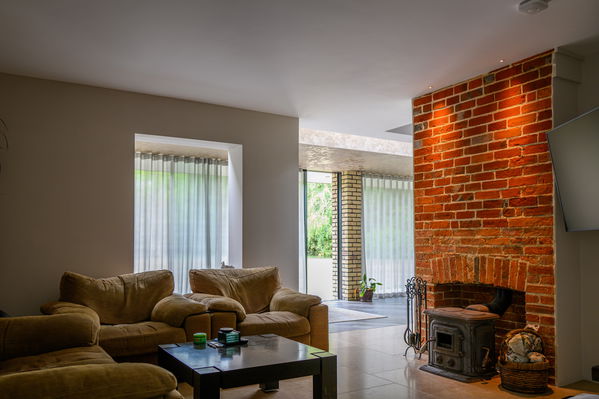
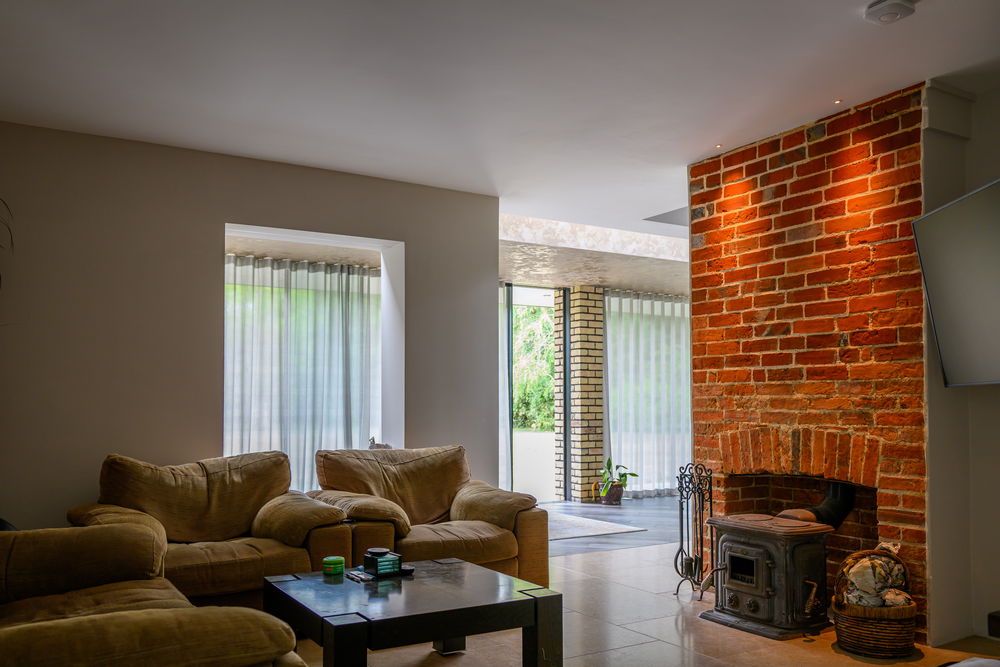
Wall E was a plastered wall with a bare brick fireplace. Unlike the rising tidemarks found on the other internal walls, the damp patches present here were isolated.
The Safeguard Technical Team visited on a dry and warm day to determine the extent of moisture damage. Moisture readings and salt samples were taken for analysis at the Safeguard Research & Development Laboratory.
Upon investigation, the Safeguard team confirmed that the dampness on Walls A-D were indicative of rising damp. This diagnosis was based on the overall moisture profile, location and laboratory salt analysis, which indicated the presence of nitrates.
The salt and damp profiles of Wall E differed from Walls A-D, suggesting rising damp was not the cause of damp in these walls. The presence of hygroscopic salts warranted further investigation in order to provide a suitable solution.
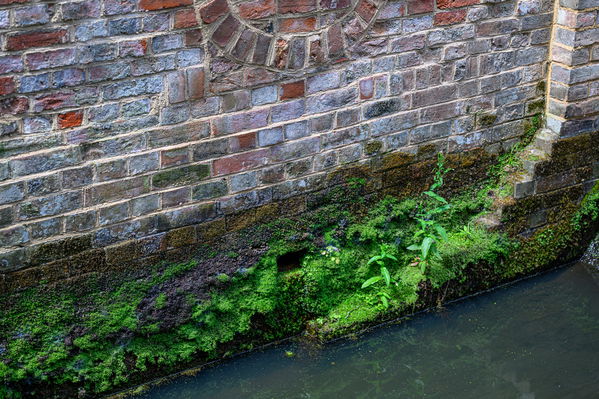
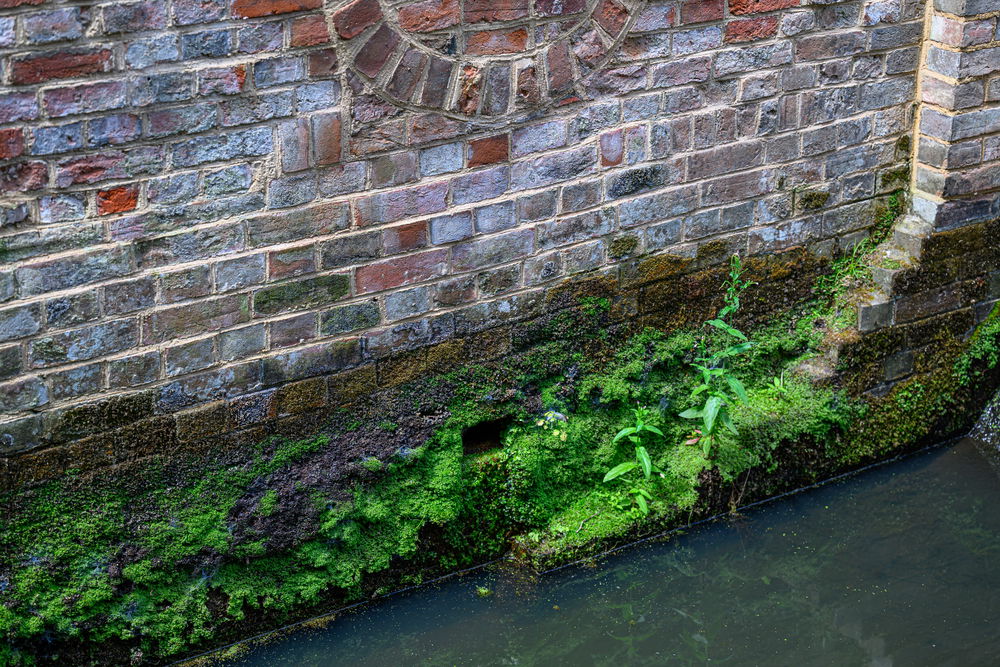
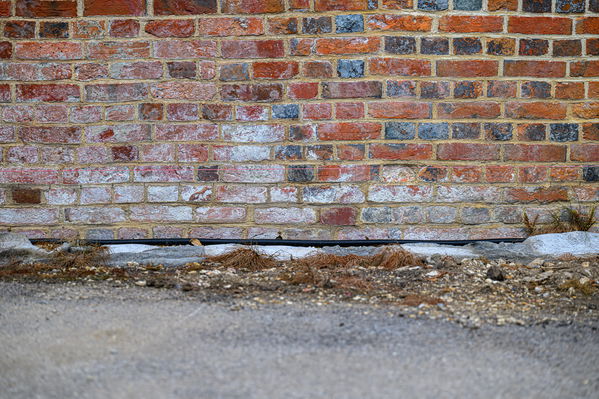
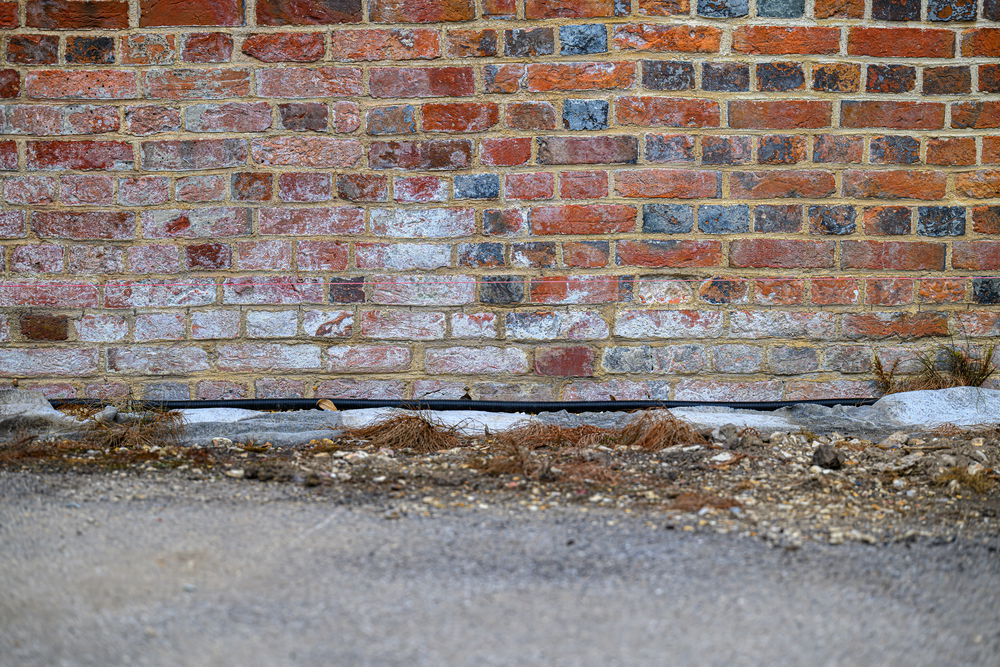
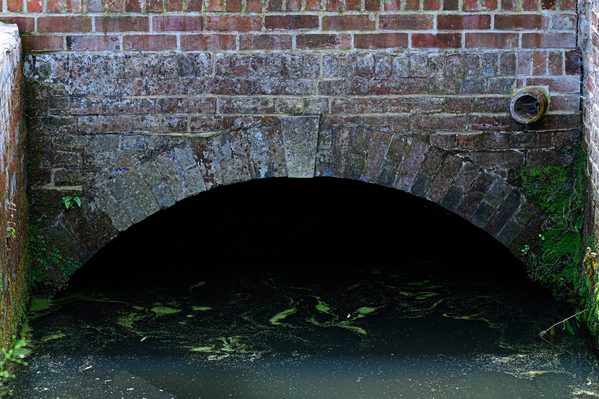
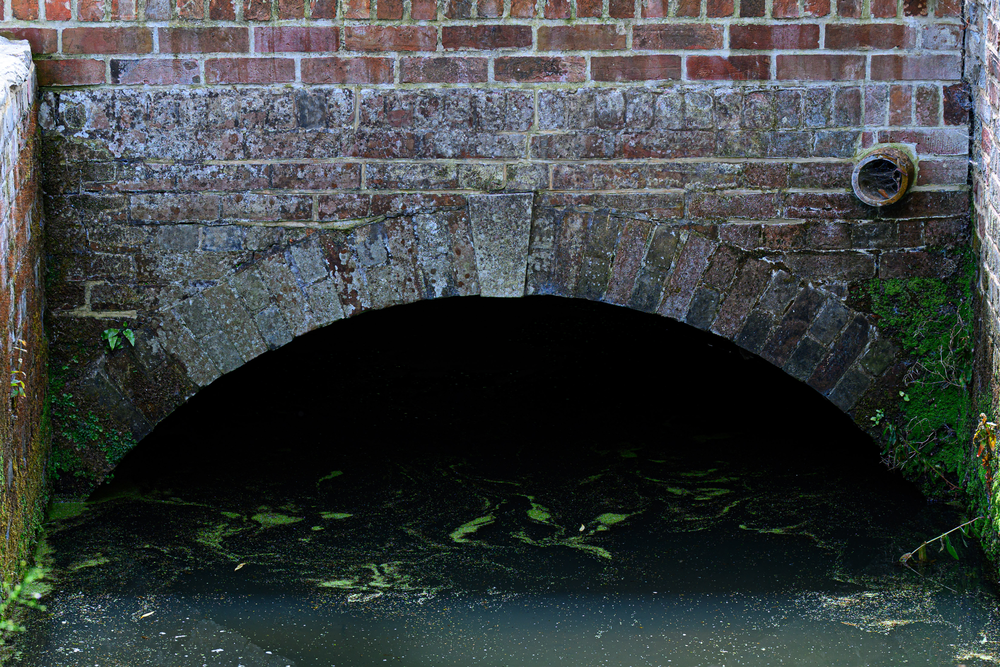
In 2025, work began on the neighbouring Mill and Coach House buildings. These also displayed the tell-tale signs of rising damp, with considerable salt efflorescence on their exterior walls. The Mill proved particularly challenging, as the external wall’s foundations adjoined the river. This resulted in significant algae growth and salt efflorescence throughout the wall.
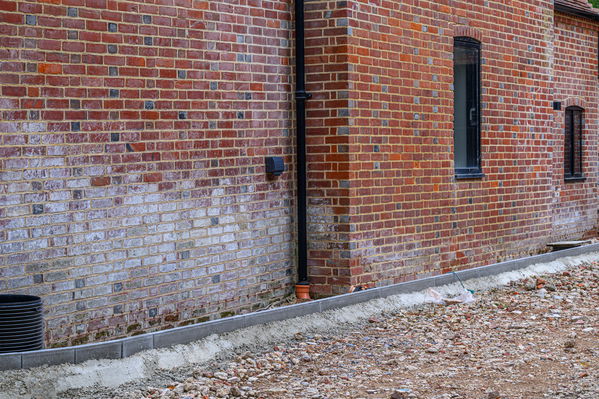
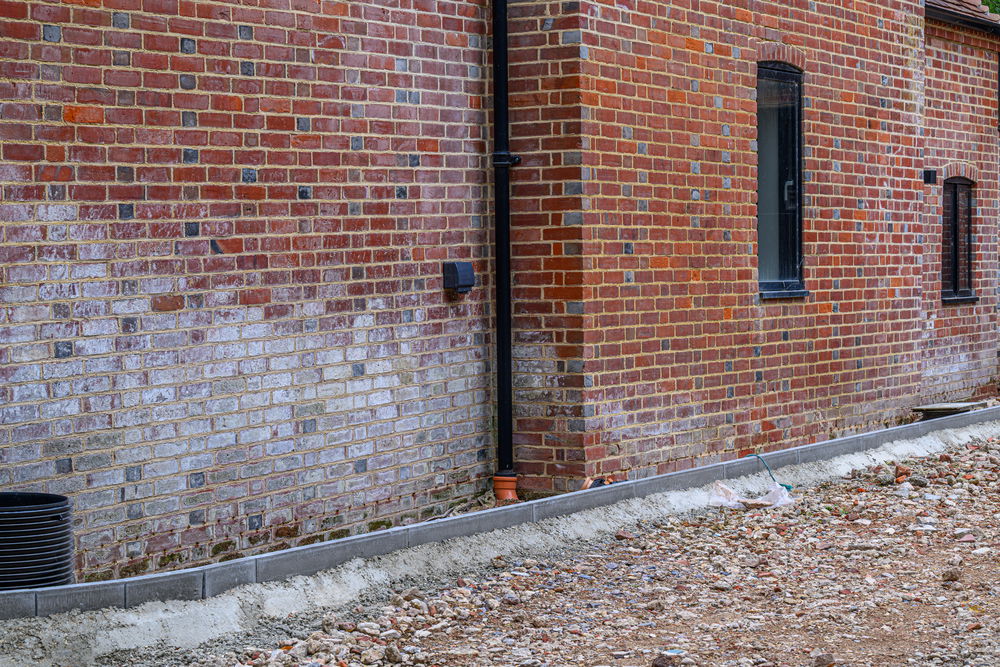
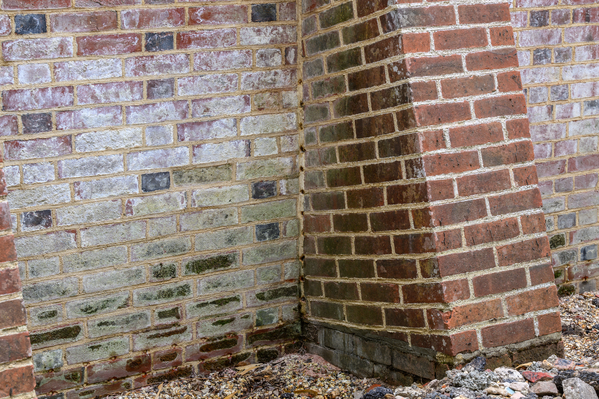
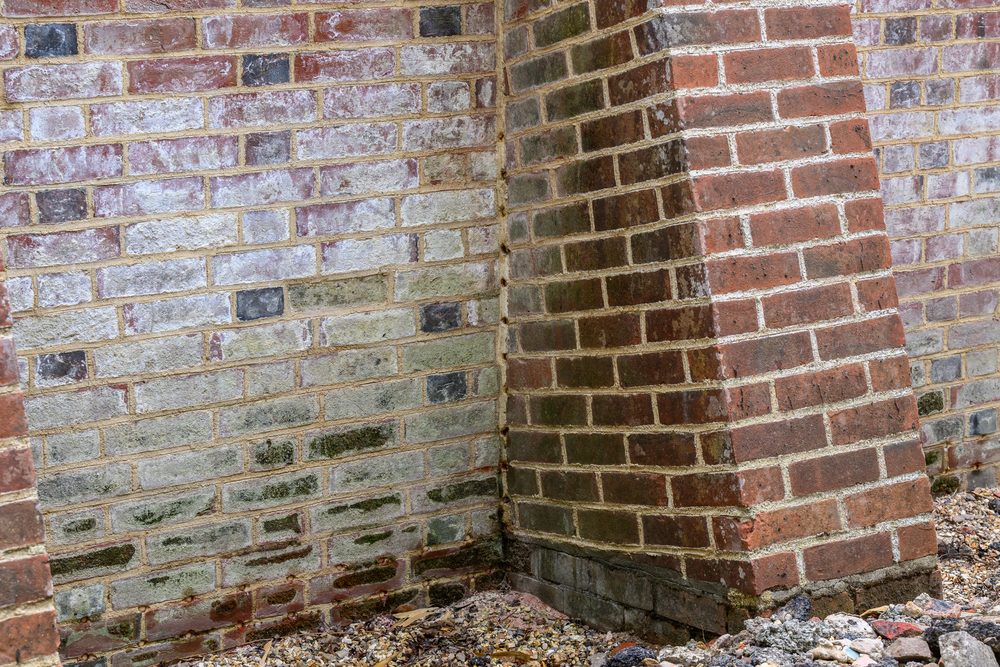
Groundwater is water that exists below the surface, originating from rain that has soaked into the ground. As it moves through the soil, groundwater can carry hygroscopic salts such as chlorides and nitrates. In buildings without a damp-proof course, porous masonry walls can absorb this moisture. As the water eventually evaporates, these salts are left behind within the wall structure.
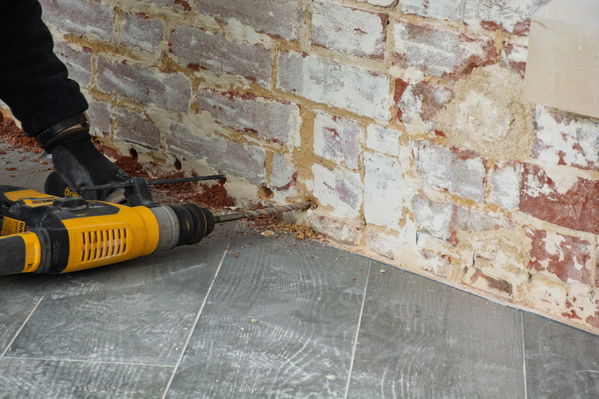
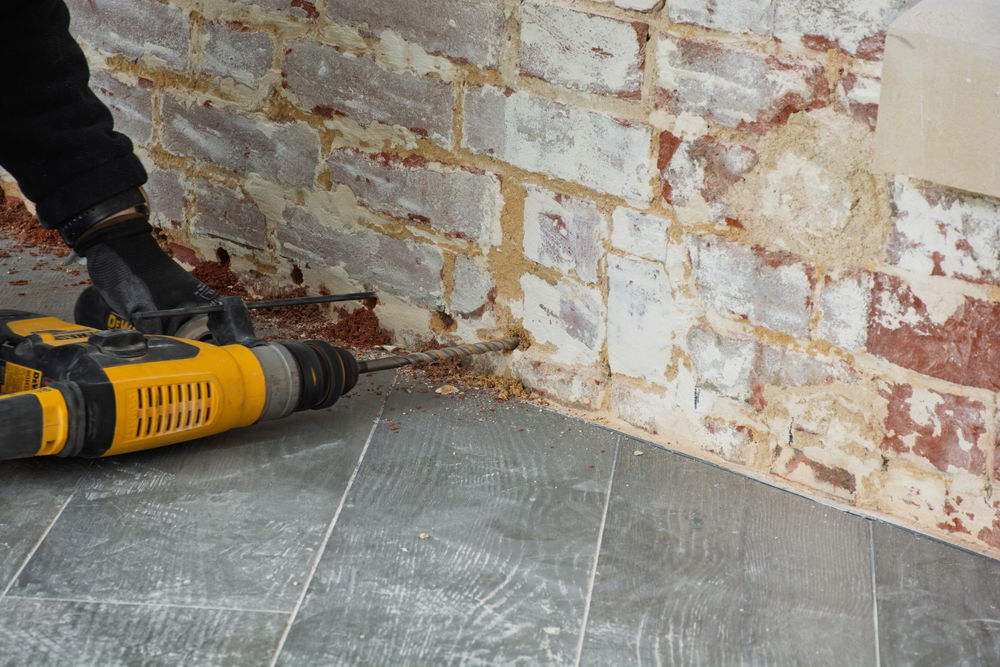
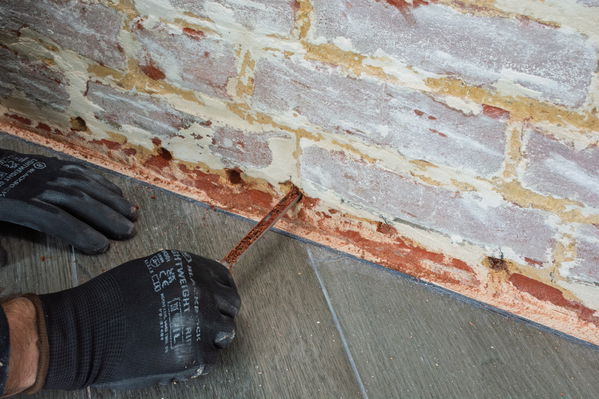
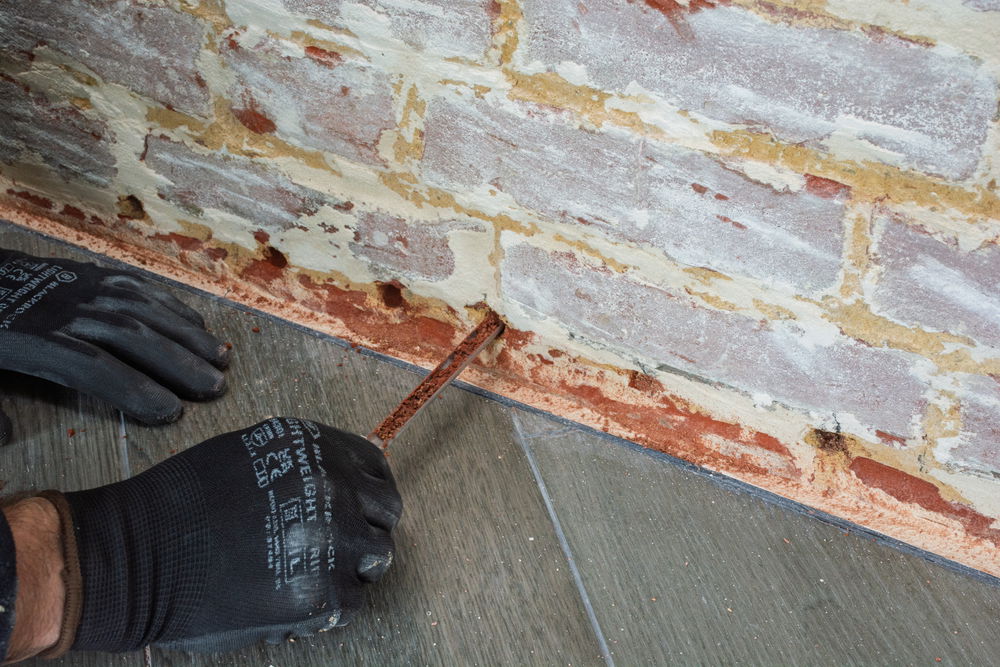
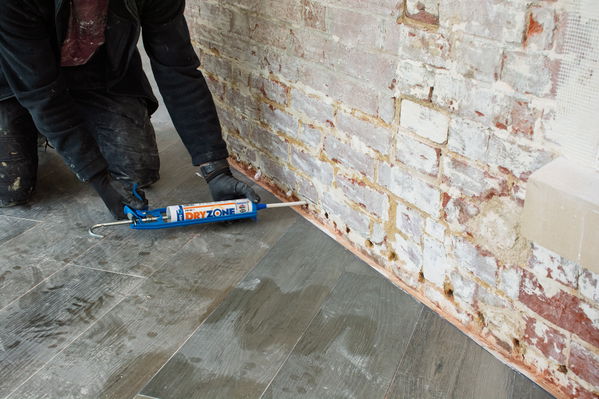
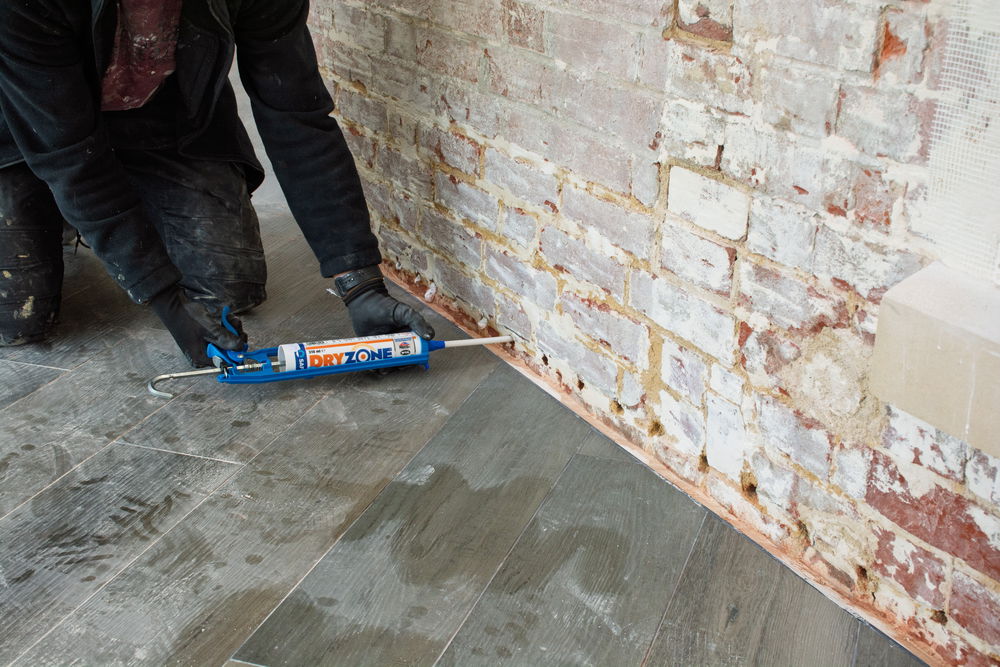
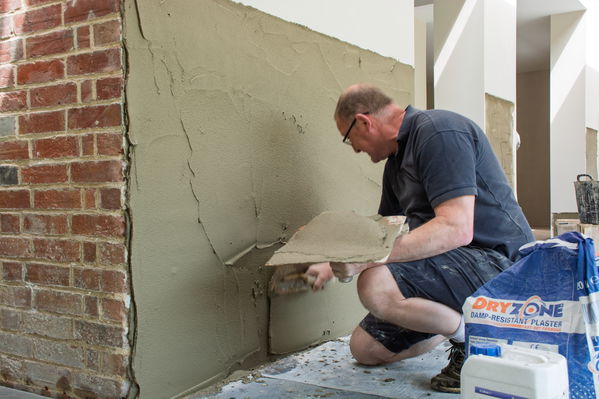
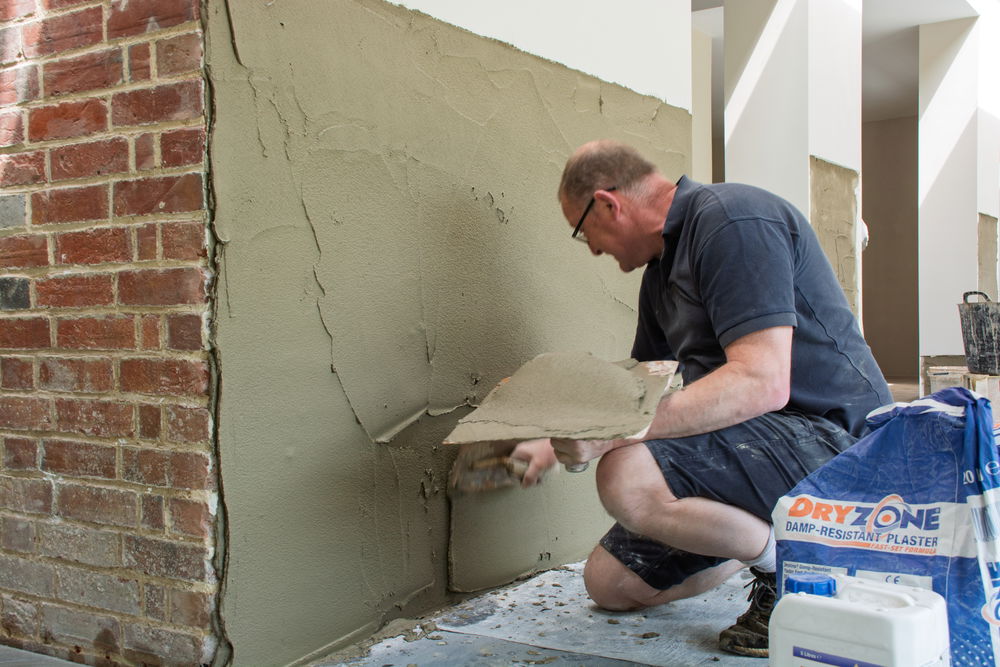
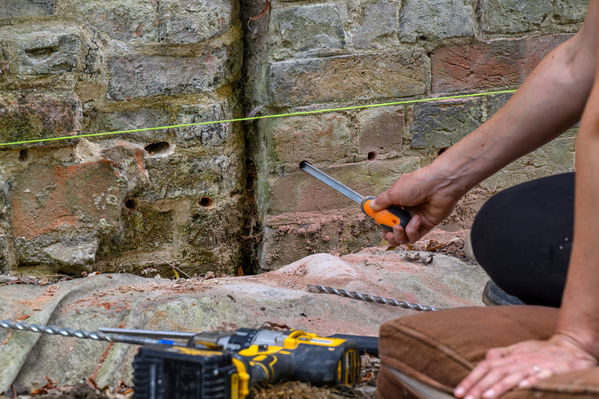
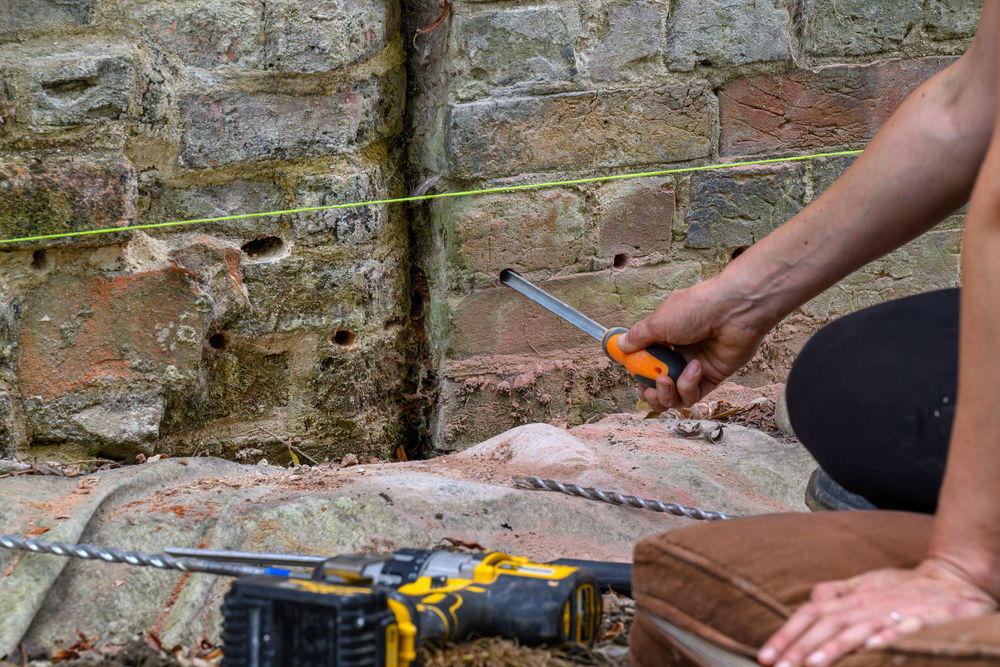
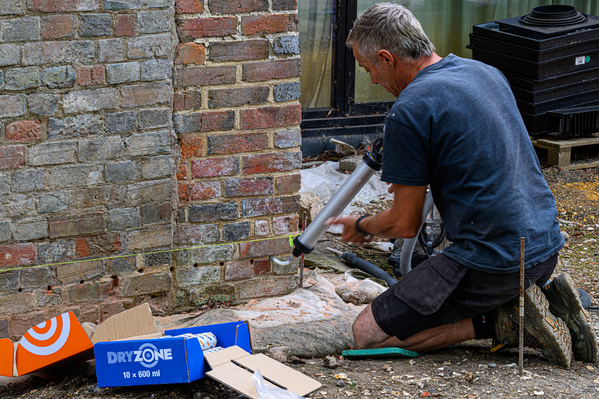
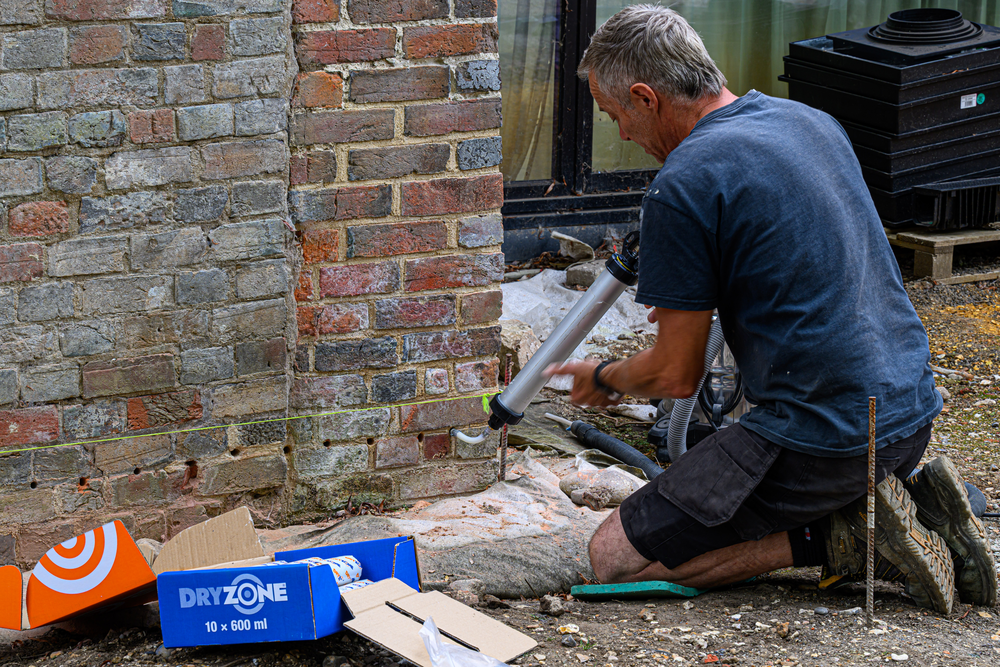
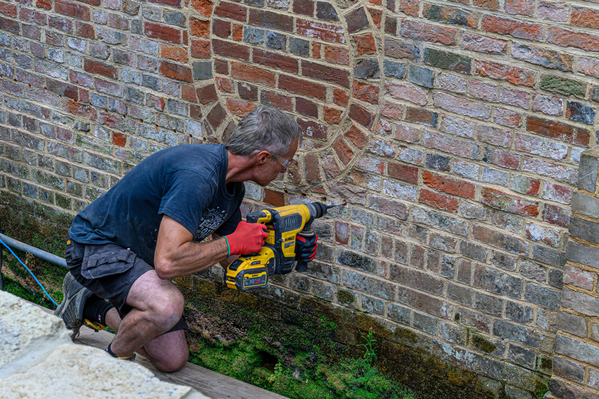
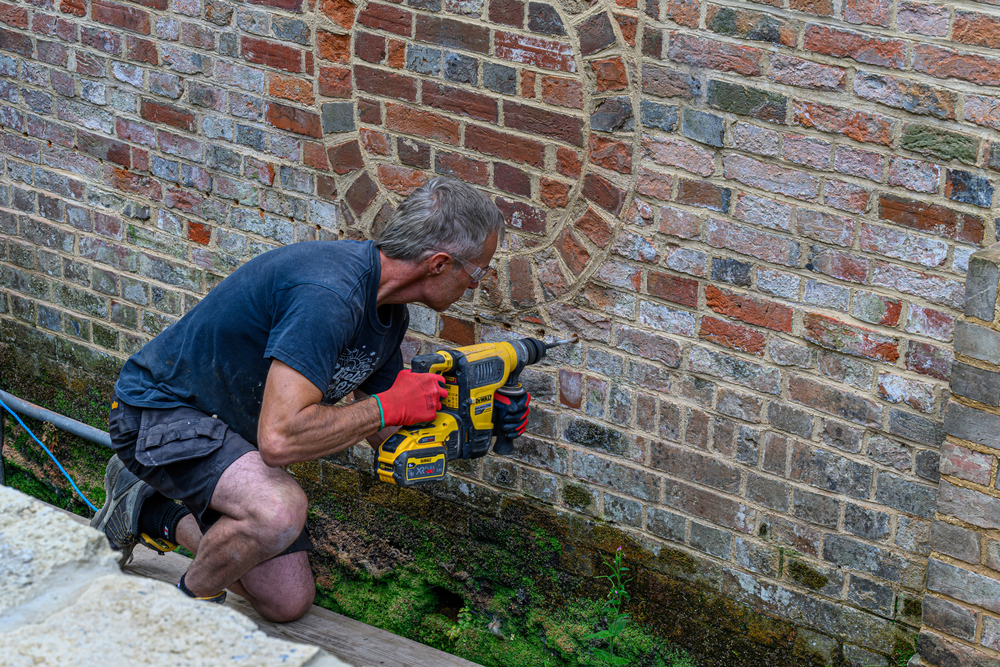
Drying out the walls of the Old Mill House and carrying out remedial works to prevent the return of dampness was a multi-step project that began in 2023.
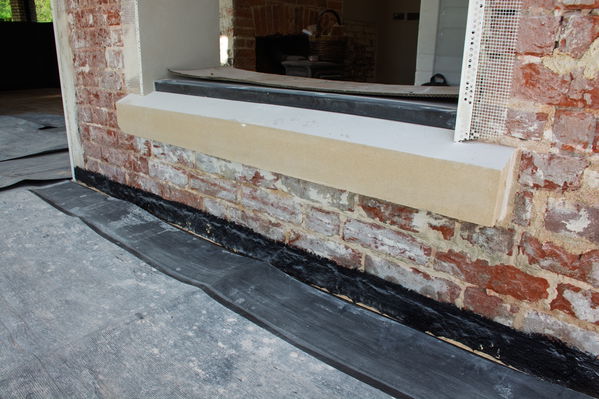
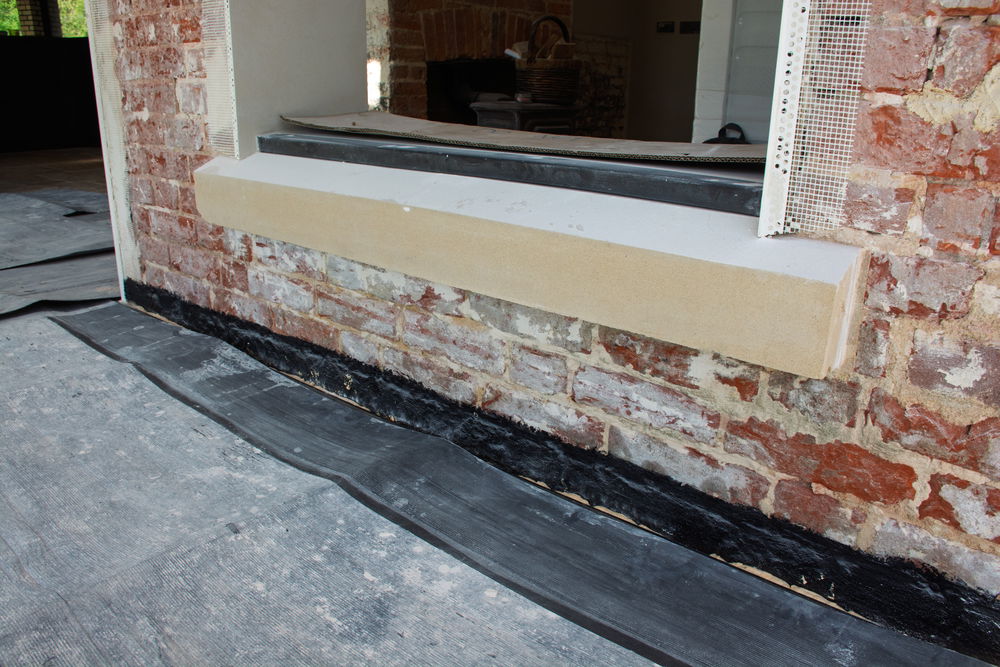
As an initial step, a remedial damp-proof course (DPC) was installed in Walls A–D. Dryzone DPC Cream was selected for its effective penetration and performance in historic masonry. This treatment halted the progression of rising damp and initiated the drying process. On average, drying is expected to take approximately one month for every inch of wall thickness.
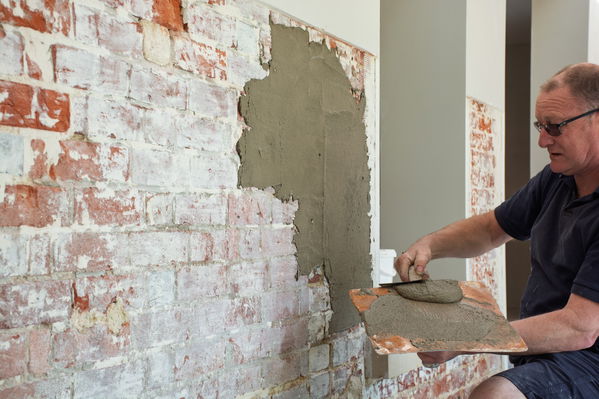
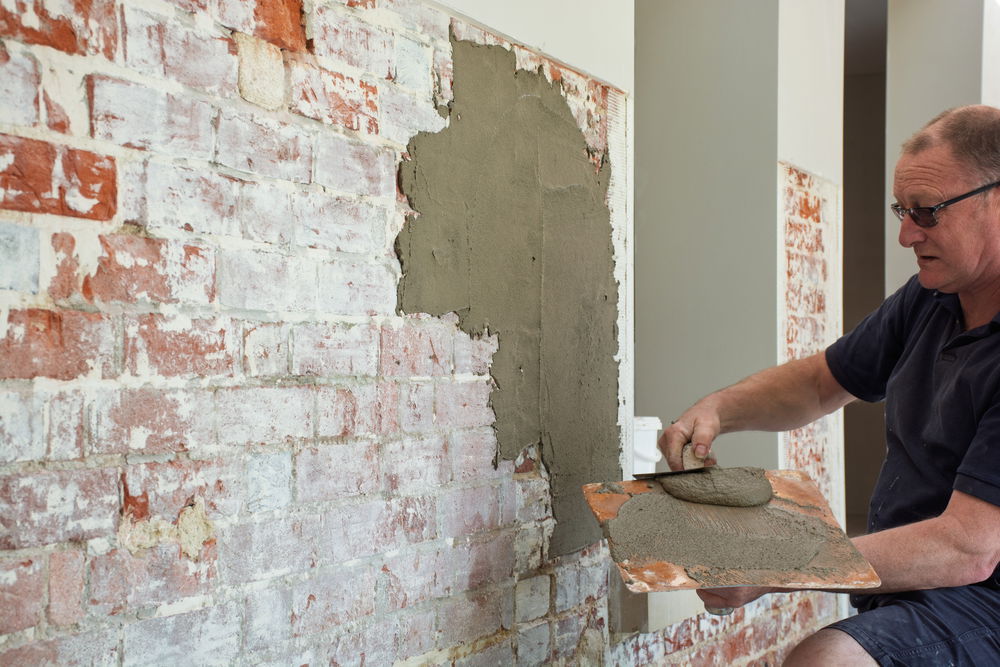
Next, the existing salt-contaminated plaster was removed to a height of 1.2m, in accordance with BS 6576:2025+A1:2012 (Code of practice for diagnosis of rising damp in walls of buildings and installation of chemical damp-proof courses).
With the existing plaster removed, Drybase Liquid-Applied DPM was applied between the floor and the DPC injection points. This prevented bridging from the DPC treatment into the plaster. The wall was then replastered using Dryzone Fast-Set Renovation Plaster, which controls dampness and salt migration while allowing walls to dry naturally.
We returned in July 2025 and found the walls of the Old Mill House had dried out fully, enabling a healthy living space that has been decorated beautifully.
Using Dryzone DPC Cream, remedial damp-proof courses were also installed in The Mill and Coach House buildings to enable these buildings to dry over time.
How can we help?
Related Pages
Get it Done

Subscribe to get information about products and offers.
