Double Moisture Pressure:
The little-known winter threat attacking homes from inside and out
February and March are peak months for condensation, penetrating damp and mould. At Safeguard, we use the term “double-moisture pressure” to describe what’s happening at this time of year - when homes are exposed to moisture from both inside and outside at the same time. Sustained wind driven rain can batter unprotected external walls and keep them wet and cold. Meanwhile, inside the home, families huddle indoors and generate more moisture through everyday living. This combined pressure from both sides can overwhelm a building’s ability to dry out naturally.
Estimated Reading Time: 4 mins

Many people treat condensation and penetrating damp as separate problems. In reality, they often interact with each other to worsen the overall problem. Recognising double-moisture pressure is key to diagnosing damp correctly and preventing mould, building damage and unhealthy living conditions.
On the outside of the home, high winds and heavy rainfall pose a risk to gutters and downpipes. Damaged, faulty or blocked rainwater goods can concentrate rainwater at specific points on external walls.
When there is damaged masonry, poor mortar courses and cracked render, repeated wetting can drive moisture through the wall. In cavity walls, wind-driven rain can enter the outer leaf through such defects. Moisture can bridge through to the inner leaf via poorly fitted insulation or debris in the cavity. This can then as dampness on the inside of a wall.
By February, the building fabric of a property has been cold for months, affecting the home’s thermal performance, especially where insulation is poorly installed, missing or less efficient.
While penetrating damp is seeping in from outside, condensation can start to cause its own damp problems.
Condensation forms when moist air meets colder surfaces. In winter, moisture-generating activities often peak while ventilation drops. That combination increases the risk of surface condensation and mould. Keeping windows closed for long periods can raise indoor humidity levels and increase the risk of condensation on external walls, glazing, and in corners and behind furniture, where air flow is poor. Over time, persistent condensation and mould can damage finishes and lead to an unhealthy environment.
A wet wall also loses heat more readily than a dry wall, which can reduce internal surface temperatures and increase the risk of condensation and mould forming.
Increased levels of condensation in the home can hide a penetrating damp problem. Condensation and Mould presents itself internally and treatment of the unsightly symptoms becomes the focus, all the while, an external defect might remain unrepaired, allowing the issue to continue. Delayed or inaccurate diagnosis leads to further risk of damage and can make attempts at condensation control inside the home less effective. Make it a priority to fix the causes of penetrating damp. In parallel, aim to reduce condensation in the home so you limit mould risk whilst the walls dry out.
Damp and mould in the home pose more than a threat to building fabric - it’s a health risk. The NHS spends an estimated £1.4 billion every year treating illnesses associated with living in cold or damp housing in England.
With that in mind, here’s what to check this month to clearly separate the causes of condensation from penetrating damp.
Check gutters, downpipes, hopper heads, overflows and joints. Look for water staining on the areas around these. Check cracked render, failed pointing, spalled bricks and blocked cavities and weep holes. Wind-driven rain can enter the outer leaf of masonry and reach the inner leaf, where cavity defects or bridging let it through.
Track indoor relative humidity with a hygrometer. Note peaks during cooking, showering and laundry. Aim for a typical indoor band of around 40 to 60% RH and keep living spaces at about 18 °C or above where possible. Preventing cold surfaces will help to lessen condensation and mould risk.
Condensation forms on cold surfaces in the home. That includes external walls, window reveals, in corners and behind furniture against cold external walls where the airflow is poor or restricted. Penetrating damp on exterior walls will match up with the external defect then spread, so carefully check the interior as well as the corresponding external wall.
Repair rainwater goods, seal leaks, repair damaged pointing, brickwork and roofing. For unprotected brick walls, consider a BBA approved breathable masonry water repellent such as Stormdry Masonry Protection Cream.
Equip kitchens and bathrooms with dMEV fans. Where passive vents have been fitted, open them regularly, especially when multiple people are in the same room. Ventilate regularly, even in cold spells.
Cover pans with cooking, vent tumble dryers correctly and avoid drying laundry in unventilated rooms. If you must dry indoors, use an energy-efficient dehumidifier with a laundry drying mode and run it with the door closed.
The MET Office recommends to maintain steady heating throughout the home of at least 18 ℃. If this is not possible, prioritise repairs or improvements to the heating system. If practical and suitable, consider retrofit insulation measures. Keep a small gap behind large furniture on external walls to allow air movement.
However, this is just the tip of the iceberg as far as tackling the one-two punch of condensation and penetrating damp are concerned...
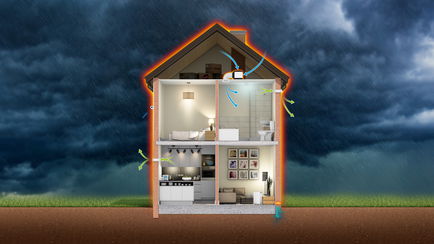
Explore how ventilation can prevent condensation formation and mould growth.
Read More
A higher intensity of rainfall in recent years, combined with a large industry focus on installing cavity wall insulation, has led to properties that previously had no issues suddenly dealing with penetrating damp. The damage that this type of damp causes is unsightly and can be very costly to rectify. One of our most popular damp webinars, join a member…
Read More
This webinar offers a detailed insight into the causes and effects of condensation and the wide range of modern-day treatments available.
Read MoreHow can we help?
Related Pages
Get it Done


Subscribe to get information about products and offers.



