Why Masonry is Vulnerable in Winter
Winter is almost here, and with it comes freezing temperatures, wind-driven rain and a general rise in moisture levels. Bricks and mortar may look tough, but they’re naturally porous, making them vulnerable to penetrating dampness.
Read on to find out how to spot and prevent this damage.
Estimated reading time: 5 minutes

When strong winds drives rain sideways into masonry walls, moisture absorbs into the structure. When that water freezes during long and cold winter nights, it expands by approximately 9%. This process is called the freeze-thaw cycle.
Both solid wall and cavity wall homes are vulnerable to the freeze-thaw cycle. How your home was built changes how the problem shows up but not the underlying risk.
The expansion during the freeze-thaw cycle exerts pressure inside the pores and cracks that the water has found its way inside. It melts again, but the damage has already been done. Subsequent winters will worsen the internal stresses inside bricks and mortar, leading to moisture erosion. Efflorescent salts present in groundwater and rainfall can also expedite masonry decay.
The UK experiences high levels of rainfall with fluctuating temperatures throughout the year, making it possible for multiple freeze-thaw cycles in a relatively short period of time. The freeze-thaw cycle is also partly responsible for two of the UK’s other housing bugbears; burst pipes and potholes. Remember, damage is cumulative and rarely always visible. By the time defects are obvious, the substrate has already lost strength.
Exposed elevations are more at risk to wind-driven rain. Of course, whichever way the wind is blowing is also a factor.
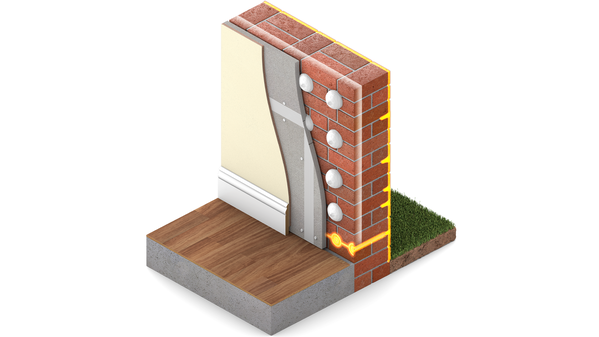
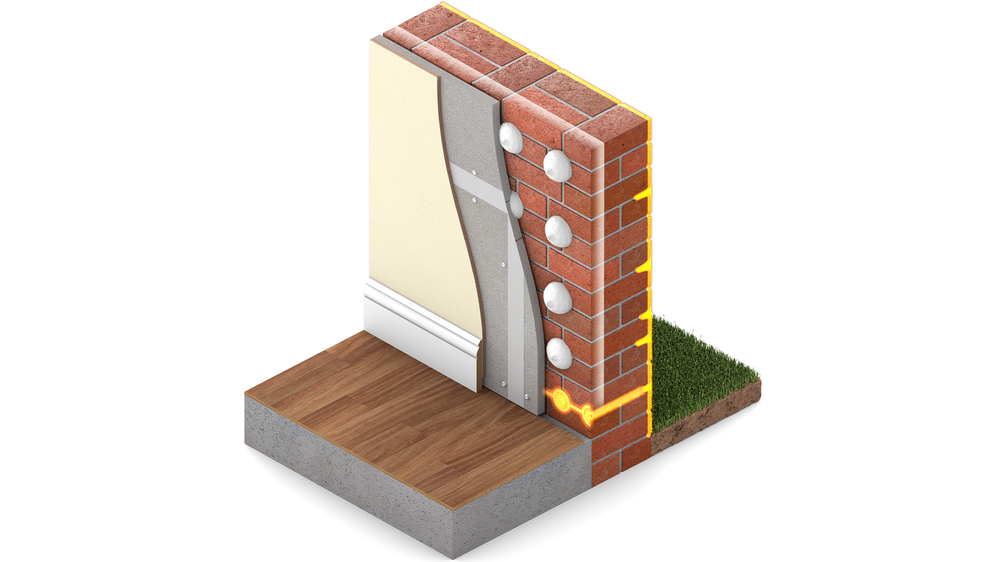
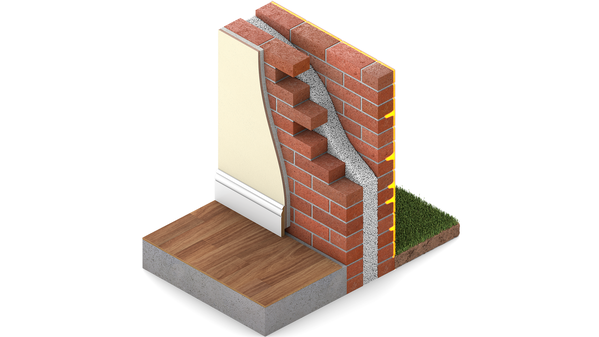
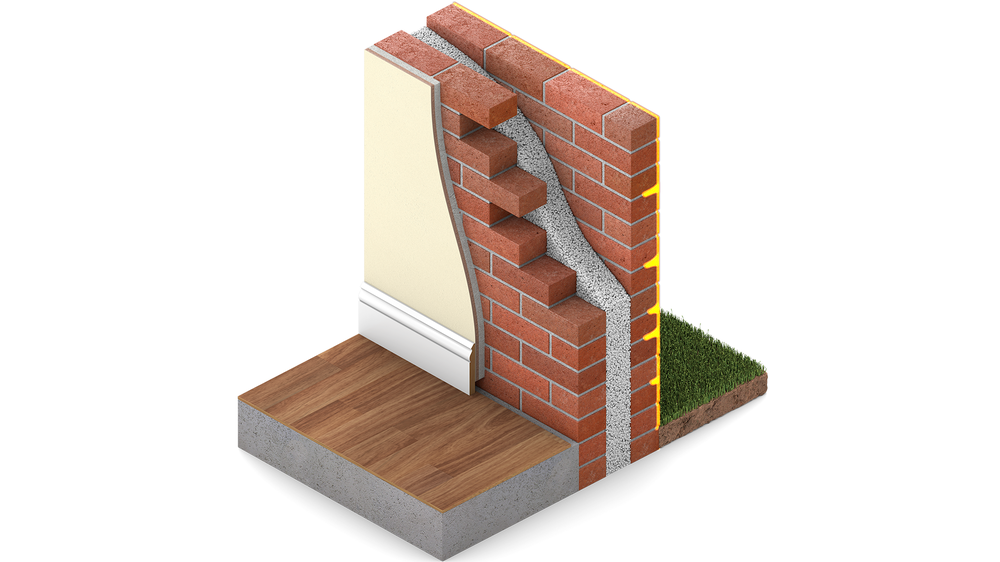
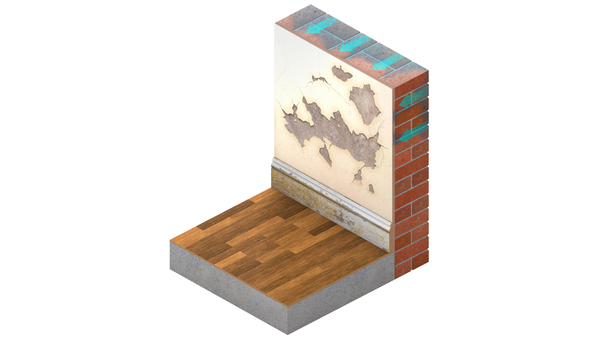

Rain rarely falls straight down in a storm. High winds push it horizontally into façades, saturating exposed elevations first. South-west and west faces take the brunt in many regions, due to prevailing Atlantic southwesterly winds.
Coastal areas see more rain on average, whereas upland zones are subject to high rains and extreme flood risk. Other factors such as air pollution and de-icing chemicals also accelerate damage.
When mortar pointing and bricks suffer moisture damage, a snowball effect begins. Damaged walls let in more moisture, which then causes more damage. Soon, whole bricks become compromised until eventually the structure itself is at risk of collapse.
Poor pointing, hairline cracks at window reveals, eroded window sills, defective copings, missing flashings and tired paint films all increase the rate of water absorption.
Older properties, especially those built before 1920, are usually of solid wall construction. Unlike modern homes, these single-walled brick or stone structures have no internal cavity to stop water ingress. Without protection, if the walls saturates, water and salts can travel right through to internal plaster. In cold spells the entire masonry structure is at risk of freeze-thaw stresses, especially where soft historic bricks or lime mortar are present.
Most new homes built in the UK are constructed with cavity walls. These feature a gap between the inner and outer leaf that designed to stop dampness reaching the interior.
Cavity wall insulation has been commonplace since the 1970s. If improperly fitted, water can still reach the inner leaf to cause penetrating damp. Cracked pointing, incorrectly installed cavity trays and wall ties covered in mortar can also increase the risk. The result is damp staining, blown plaster and salt damage on the inner leaf, all as a result of the bridged cavity.
Remember, bricks and mortar are naturally porous. This means that they absorb water in much the same way a sponge does.
Weathering enlarges pores and opens microcracks, so porosity and water absorption rise over time. New builds are not immune where detailing is poor or where leaking rainwater systems keep the outer leaf wet.
Masonry must be wet for the freeze-thaw action to occur. If masonry remains dry, it will not be affected.
So, before the winter comes, it is only rational to try to waterproof vulnerable masonry walls.
Vapour permeability is key. If existing moisture in the wall cannot leave the treated surface via evaporation, then it will be trapped inside to cause penetrating damp and spalling via freeze-thaw action.
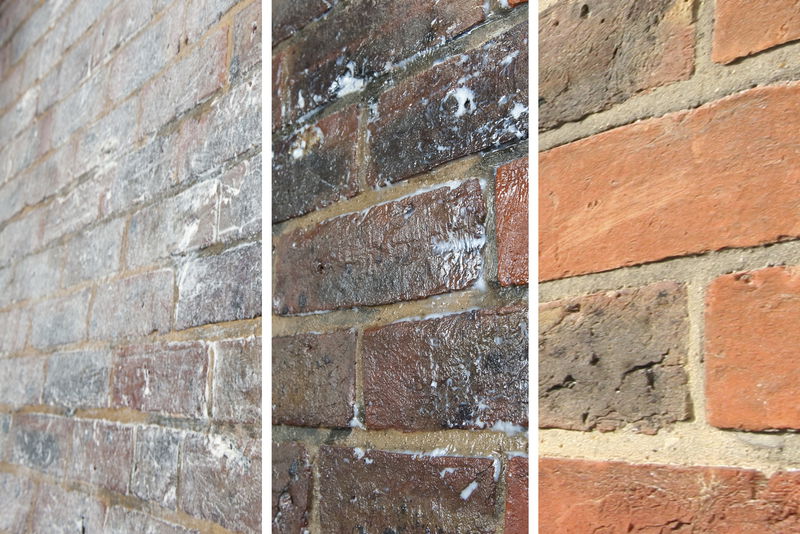
Hydrophobic brick sealers change how water behaves at the face of the wall. A good water-repellent cream reduces capillary action, so rain beads and runs off. Crucially, it must not trap vapour. Any moisture already in the wall needs a route out through evaporation, or it will be driven deeper by temperature changes and salt movement.
Many brick sealers do not offer appropriate levels of breathability. Always look for testing results to the method outlined in BS EN ISO 7783:2018 when selecting a brick waterproofer. BS EN ISO 7783:2018 details water vapour transmission performance through a substance. For the more scientifically-inclined, the relevant measure is the water vapour diffusion-equivalent air layer thickness (also known as the Sd value). You want the waterproofed surface to show as little deviance in Sd value from an untreated brick wall.
Depth of penetration into the substrate also matters. Liquids or creams that soak into the pore structure give more durable protection than a surface film. They reach weak spots in mortar joints and brick faces, protect substrates against further wetting and leave the original appearance intact. Film-forming sealers are vulnerable to cracking and flaking, which invites water back in.
If you value maintaining the natural look of your masonry wall, always make sure the brick sealer you choose has an invisible finish. Sealers that do not penetrate deeply into the substrate may also leave a visible layer or otherwise change the original texture of the wall.
Stormdry Masonry Protection Cream is a deeply penetrating silicone-based brick sealant. It is designed to lower water absorption in brick, stone and mortar while maintaining vapour permeability, which helps trapped moisture escape. The invisible finish preserves the natural character of red brick, sandstone or stock brick façades. It is suitable for both solid wall and cavity wall construction, as well as heritage fabric where breathability is essential and for modern masonry exposed to wind-driven rain and freeze-thaw cycles.
How can we help?
Related Pages
Get it Done


Subscribe to get information about products and offers.



