Planters
Correct waterproofing of concrete planters is important to ensure that they remain aesthetically pleasing. Without proper waterproofing, water can migrate to the outside surface of the planter, causing decorative spoiling.
Estimated reading time: 1 minute

Concrete planters can easily be waterproofed using Drybase Elasticised Tanking Slurry. Perfect for situations where movement is possible (due to temperature fluctuations, etc).
Apply 1.5 kg/m of Drybase Active Crystalline Slurry to the sides of the planter. Dry-distribute by hand using a 1 mm mesh sieve or by suitable spreader. Hand-work into the walls until coverage is uniform.
If movement is anticipated, use 5 kg/m of Drybase Elasticised Tanking Slurry.
Use standard construction joints to lap each edge.
Leave to cure for at least 24 hours.

How can we help?
Related Pages
Get it Done


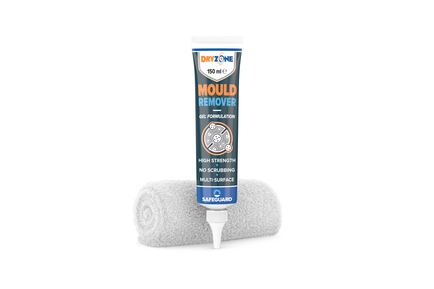
Remove stubborn mould stains from hard-to-clean areas with Dryzone Mould Remover Gel.
Read More
Although mould often becomes visible during colder months, the conditions that allow it to develop may exist long before winter arrives. Taking action during summer can reduce the risk of complaints, protect the condition of the property and help keep accommodation healthy and comfortable for tenants.Here are five practical steps to take before the new academic year begins:
Read More
Keeping mobile, TV & laptop screens clean is important for productivity & hygiene. Here are five rules for cleaning screens perfectly.
Read More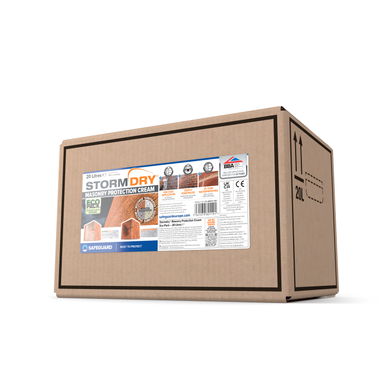
Reduce plastic use on site with Stormdry Masonry Protection Cream - now available in 20L Eco packaging.
Read More
Wasps, hornets and nests cause big problems in summer. Read this to find out how to locate, identify and get rid of wasps and hornets.
Read More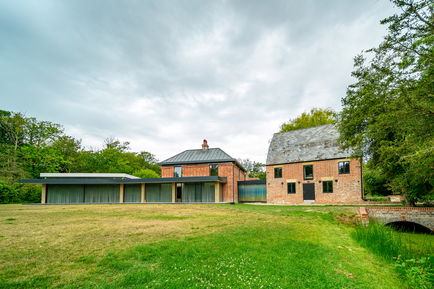
Find out how we helped dry out this 18th century Grade II listed mill house renovation in the New Forest
Read More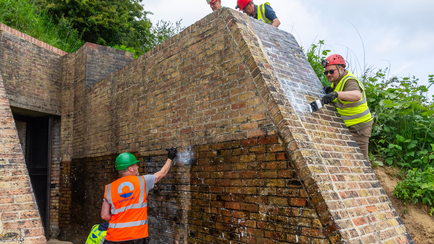
Discover how Stormdry Masonry Protection Cream was used on World War 2-era gun battery magazine buttresses at Dover.
Read More
With Tibby Singh and YDC Basements, Safeguard waterproofed a basement at an end of terrace home in Leeds using Drybase Tanking System.
Read MoreSubscribe to get information about products and offers.