The Big Air Out
It's Good to Vent
In support of the Property Care Association's The Big Air Out (26th October to 1st November 2026), we've compiled our most useful resources to help keep your home safely ventilated and to reduce the risk of condensation and mould.
Read on for practical airflow strategies, ventilation troubleshooting with digital hygrometers and guidance on meeting modern ventilation standards under Awaab's Law.

Damp and mould affects an estimated 27% of households in England. In 2018, health issues stemming from the most serious dampness cost the NHS £38 million.
Spearheaded by the Property Care Association (PCA), The Big Air Out is a nationwide campaign to share daily, bite-sized videos packed with simple tips and practical advice. As the colder months set in, it is tempting to seal up windows and doors to keep warmth inside, but everyday living inevitably causes indoor moisture to accumulate.
Good ventilation does not mean leaving windows open all day or losing valuable heat. It is about finding simple, effective ways to let fresh air in and excess moisture out. In support of The Big Air Out, we're here to offer our technical knowledge to help your home or properties remain dry, comfortable and energy-efficient this winter.
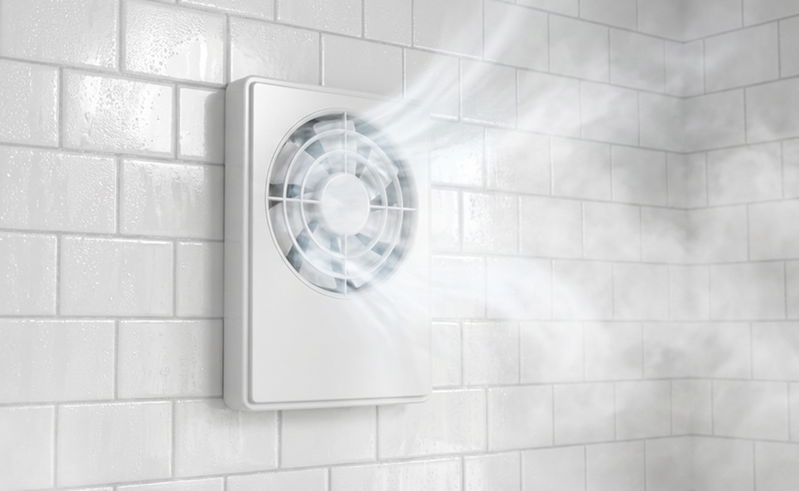
Ventilation is the controlled exchange of stale, moisture-laden indoor air with fresh, drier outdoor air.
Everyday showering, cooking, boiling kettles and drying laundry releases litres of water vapour into the home every day.
As the colder weather arrives, the natural instinct is to seal up windows and doors to retain heat. Without sufficient air changes, indoor relative humidity and vapour pressure steadily climb. Because warm air holds more water vapour than cold air, that moisture naturally migrates to the coldest surfaces in the building envelope, such as external corners, window reveals and uninsulated lintels.
When warm, humid air contacts those cold surfaces, it cools to its dew point and condenses into liquid water. If those areas remain damp, airborne spores settle, colonise the surface, and grow into visible black mould.Effective ventilation breaks this cycle by swapping moisture-saturated internal air for drier outside air, keeping surfaces dry and relative humidity balanced.
The question is: how can we achieve that without losing all our heat?
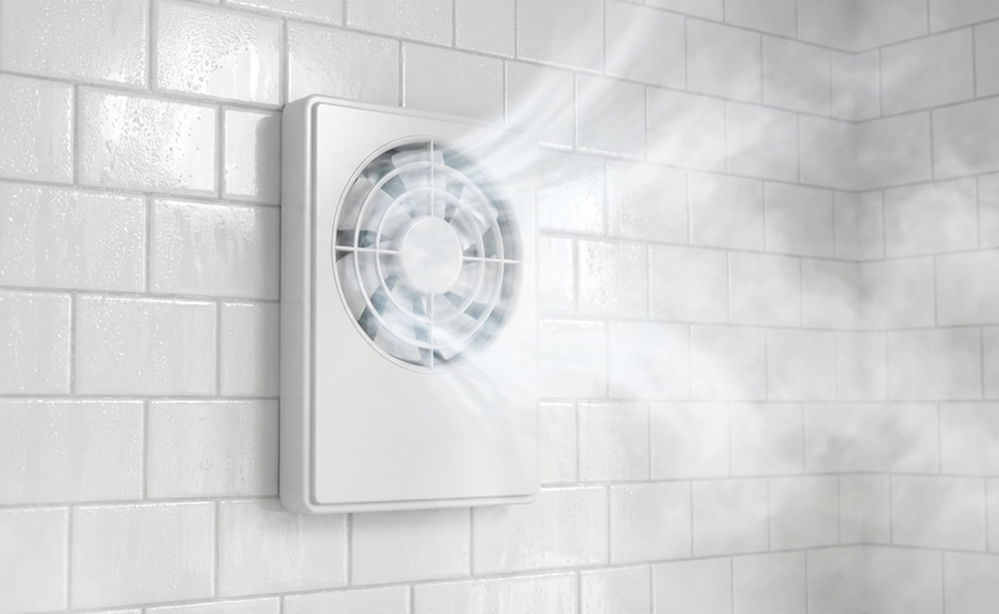
Ventilation is the process of bringing fresh air into a building and removing stale, moisture-laden air. In homes, it helps control the water vapour produced by everyday activities such as cooking, showering, washing clothes, drying laundry and breathing. When moisture builds up, it can condense on colder surfaces such as windows, external walls, ceilings and corners. Over time, repeated condensation…
Read More
As the cold winter months set in, we are less inclined to ventilate our homes and are tempted to seal in the heat.
Read More
Follow these troubleshooting steps to diagnose the cause of damp in your home, resolve high humidity levels & keep your home dry & damp-free
Read MoreGood ventilation does not necessarily mean leaving windows wide open all day or keeping the heating on high all day, every day. Remember: a controlled air exchange is always better than letting air stagnate. Preventing condensation is about keeping indoor humidity in check while maintaining a warm, stable room temperature.
Practice rapid purge ventilation (also known as Stoßlüften, or shock ventilation in Germany). Open windows wide at opposite sides of the home for 5 to 10 minutes in the morning and evening. This brief cross-draft dumps humid, stale air and draws in dry outside air without cooling down the house too drastically.
Keep background ventilation pathways clear. Leave window trickle vents open to allow a steady, draught-free trickle of air that prevents humidity from spiking overnight. Keep internal doors slightly ajar to let air circulate freely between living spaces, and leave a small gap behind large furniture along external walls so convective warmth can reach cold corners.
Manage moisture at the source during high-humidity activities. Turn on mechanical extraction fans in kitchens and bathrooms while cooking or showering, and let them run for 15 minutes afterward. Keep lids on pans, close bathroom doors while washing and avoid drying wet laundry directly on hot radiators.
Get a small digital hygrometer to monitor living rooms and bedrooms. Aim to keep relative humidity between 40% and 60% alongside a consistent background warmth above 18°C. If rooms still feel clammy and humidity remains stubbornly high, consider if improvements could be made to your home's ventilation. Continuous-running decentralised mechanical extract (dMEV) fans or a loft-mounted positive input ventilation (PIV) unit can maintain an uninterrupted baseline of fresh, filtered air throughout the property if they are suitable.
As long as background warmth remains steady, trickle ventilation is kept clear, and quick daily air exchanges are part of your routine, your home should stay dry, comfortable, and mould-free.
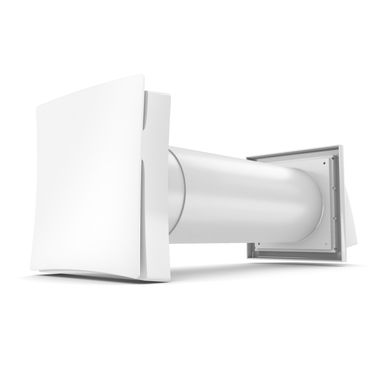
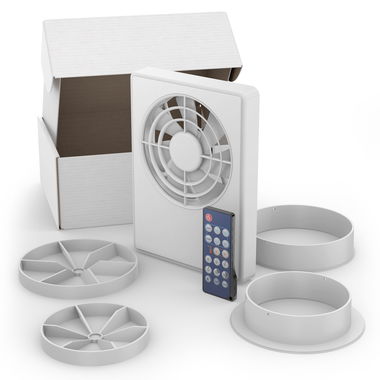
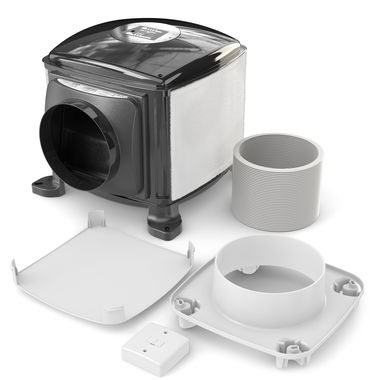
When airflow alone cannot keep pace with modern, airtight building envelopes, three main systems are used to manage air quality:
We regularly run free webinars on building physics, ventilation strategies, and dampness in homes that are accessible to all.
With educational material created by the Safeguard Research & Development Laboratory and delivered by qualified members of the Safeguard Technical Team, our sessions equip you with the practical and technical know-how needed to tackle condensation.
Beyond The Big Air Out, we run a comprehensive schedule of regular technical webinars. See the full upcoming slate here.
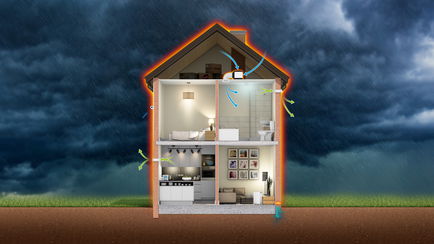
Explore how ventilation can prevent condensation formation and mould growth.
Read More
This webinar offers a detailed insight into the causes and effects of condensation and the wide range of modern-day treatments available.
Read More
Most buildings will suffer from dampness of one form or another during their lifetimes. This webinar gives an overview of the methods available to correctly identify the causes and types of dampness in buildings. The most common types of dampness encountered in existing buildings (rising damp, penetrating damp, and condensation) are examined, as are methods of repair and treatment.Dealing with…
Read MoreAwaab's Law came into force for the social rented sector on Monday 27 October 2025.
Read our deep dives for tenants and landlords into Awaab's Law and the Renters' Rights Bill, as well as a look at the physical and mental health costs of living with persistent damp and poor ventilation:

Simon Trenerry from the Safeguard Technical Team shares expert insight on everything landlords need to know about the Renters' Rights Bill.
Read More
Simon Trenerry from the Safeguard Technical Team shares his expert insight on what tenants need to know about the Renters' Rights Bill.
Read More
The effects of damp and mould on the body and mind are just as important as the damage it can do to buildings. Damp and mould in homes can pose serious threats to physical and mental health. Even without visible mould, a damp environment can lead to health issues and complicate existing ones. Mould is harmful in itself – inhaled…
Read MoreHow can we help?
Get it Done


Subscribe to get information about products and offers.