Ways to Safely Insulate and Ventilate for Net Zero
Good weather is an ideal time to tackle home improvements delayed by wind and rain. For many homeowners and landlords, insulation is a top priority.
Insulation retrofit can improve comfort, reduce heat loss and lower energy bills. However, successful projects need a holistic view of the building. Choose a science-led solution suited to the property, rather than installing insulation before checking for damp issues and adequate ventilation.
Estimated Reading Time: 3 minutes

The UK Government has affirmed the commitment to reach net zero emissions by 2050. This goal shapes how we retrofit homes and increases the importance of energy performance in the housing market.
An Energy Performance Certificate (EPC) is a requirement when selling or letting a property. The current minimum EPC standard for privately rented homes in England and Wales is band E. As part of the new Decent Homes Standard, the government has already confirmed its intention to reform the EPC system, which includes raising the standard to EPC C for social housing by 1 April 2030 and for domestic private rented properties from 1 October 2030.
Forward-thinking landlords as well as homeowners should be exploring options to improve the EPCs of their properties in a safe, effective and suitable manner.
Building pathology remains critical to insulation and ventilation retrofit. Every property behaves differently, and older homes require careful assessment.
Insulation changes how a building performs. While a newly insulated room may feel warmer, it often leads to a change in ventilation patterns. Reduced air leakage may mean that moisture has fewer escape routes. Poor installation creates cold spots in the building fabric and leads to condensation. This is often a problem in new builds, which are more airtight by design.
Dampness affects the performance of internal, external and cavity wall insulation, as well as the building itself, often leading to persistent damp and mould. Before any major upgrade is carried out, the property must be sound, dry and able to manage moisture properly.
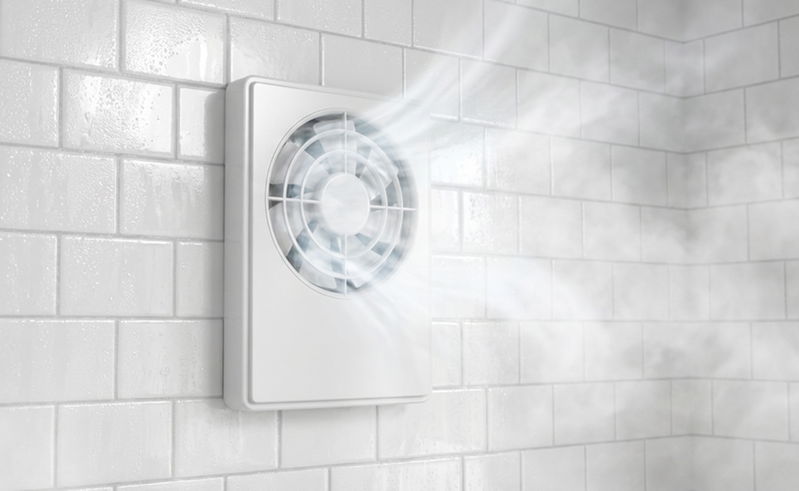
Ventilation matters as much as insulation. As homes become more airtight, moisture from cooking, bathing, drying clothes and day-to-day occupation builds up. Without effective extraction and air movement, the result is higher humidity, condensation formation and mould growth.
A prudent approach considers insulation and ventilation as part of the same conversation. Never install insulation measures to properties already suffering from rising damp, penetrating damp or traumatic damp without addressing the moisture source first.
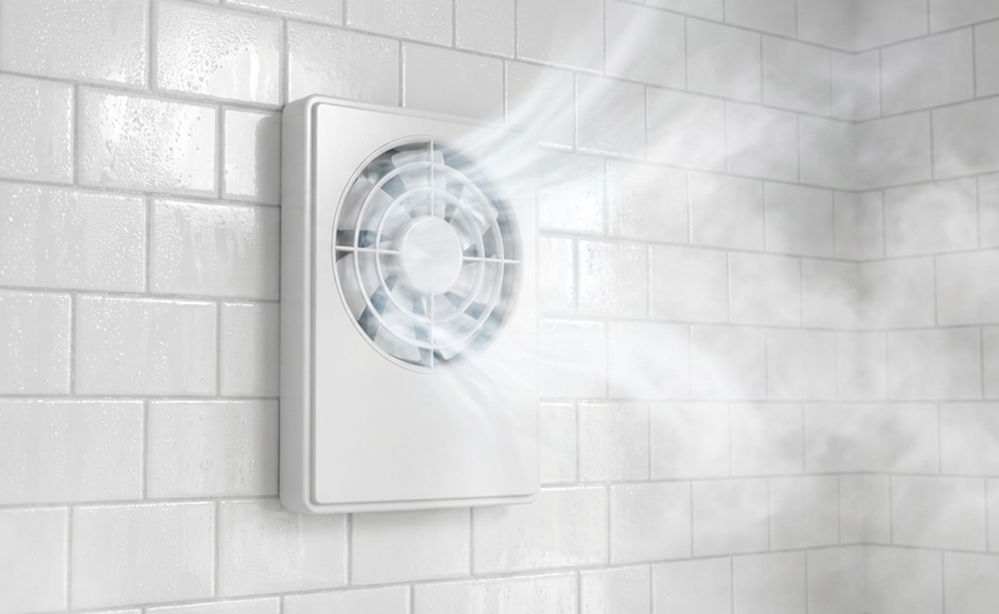
The bathroom is a great starting point for ventilation due to their high levels of moisture generation. Ensure that bathrooms have adequate mechanical extraction for the level of use and amounts of occupants. Humidity-sensing dMEV fans automatically boost to remove high levels of humidity while constantly running to keep moisture levels controlled, while in-line fans are usually wired to the light switch for ventilation on demand.
There are multiple ways to improve a home’s thermal performance, but they need to be chosen carefully.
Loft insulation, cavity wall insulation where appropriate, insulated plaster systems, internal and external wall insulation and floor upgrades all have a time and place. The right choice depends on the type of property, its structure, condition and how it handles moisture.
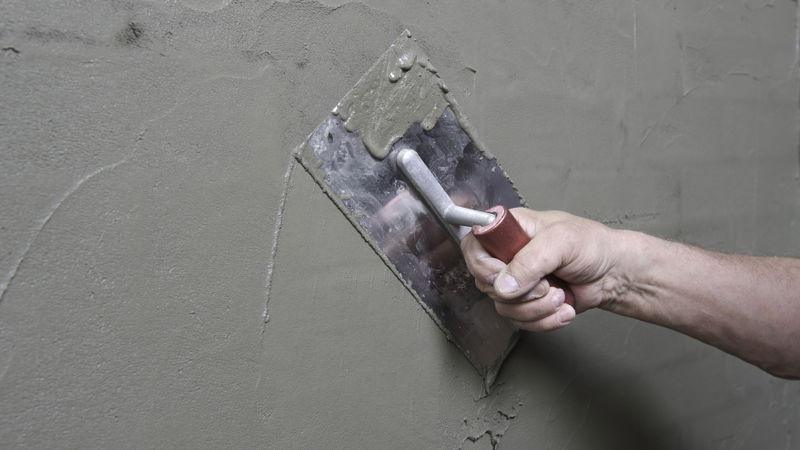
Take particular care with solid wall homes, basements, older masonry and walls with a history of dampness. In these cases, breathability and salt control can be just as important as thermal performance to prevent dampness.
Plaster choice is an important tool in the retrofit arsenal. Plaster used as part of damp remediation must be able to control dampness and salt migration, which can continue to affect the wall even after the main source of moisture has been resolved.
The plaster must also be breathable, so the wall can dry naturally. Plasters that aren’t damp resistant can restrict drying and spoil decorative surfaces.
With improvements in product technology, cork-based plaster has become a viable damp-resistant option. Cork is naturally insulative and its porous structure can help walls dry through evaporation.
For landlords, there is more to consider than just current and future regulation compliance. A warmer property is more comfortable for tenants to live in and cheaper to run, but only if the improvements perform well. An insulation upgrade that reduces heat loss but leads to mould growth is money wasted and a home made more dangerous.
The recommended path to remediation is the structured route:
Deal with moisture problems first
Improve ventilation where needed
Move on to insulation measures that suit the property
Safely insulating for Net Zero does not mean insulating at any cost. It means understanding the structure of the building, choosing the right materials and making sure thermal improvements do not come at the expense of moisture control or long-term performance. When properly installed, insulation and ventilation can help future-proof homes in a way that is practical, sustainable and leads to a genuine improvement in quality of life.
How can we help?
Related Pages
Get it Done


Subscribe to get information about products and offers.



