5 Ways to Reduce the Risk of Damp and Mould
for landlords who let to students
For many student landlords, summer is the busiest admin period of the year. Properties are often vacant between tenancies, making maintenance easier and providing an opportunity to address problems that developed during the academic year. One area that deserves particular attention is damp and mould prevention, explains Damian Wallis, technical manager at Safeguard Europe.
Estimated Reading Time: 5 mins

Although mould often becomes visible during colder months, the conditions that allow it to develop may exist long before winter arrives. Taking action during summer can reduce the risk of complaints, protect the condition of the property and help keep accommodation healthy and comfortable for tenants.
Here are five practical steps to take before the new academic year begins:
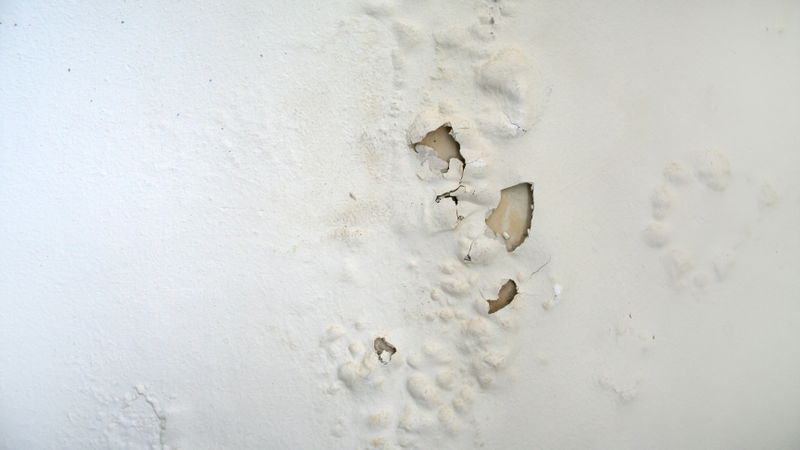
Before new tenants move in, inspect the property thoroughly for signs of damp. Common indicators include discoloured patches on walls, peeling wallpaper, blistering paintwork, musty odours and mould growth around windows, on external walls or behind furniture.
Problems can go unnoticed in student properties during term time, especially in shared houses where responsibility for reporting maintenance concerns may be unclear.
Investigate any evidence of damp rather than simply covering it with paint. Identifying and addressing the underlying cause can prevent the problem from worsening and reduce the need for more extensive repairs later.
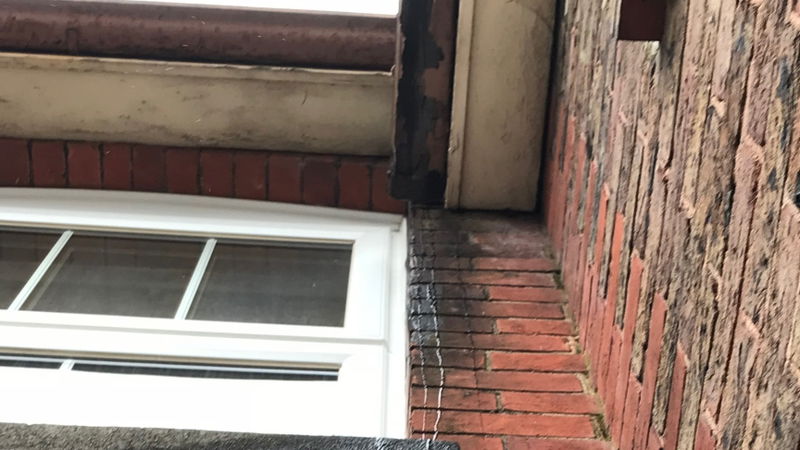
Many damp problems originate from defects in the building envelope. Summer provides a good opportunity to inspect roofs, gutters, downpipes and external walls.
Look for cracked render, damaged mortar joints, slipped or broken roof tiles and blocked or leaking gutters and downpipes. Even minor defects can allow water to penetrate the building fabric during heavy rainfall.
Inspect roofs from ground level where possible and use a suitably competent contractor for work at height. Addressing defects during summer can reduce the risk of penetrating damp during the wetter autumn and winter months.
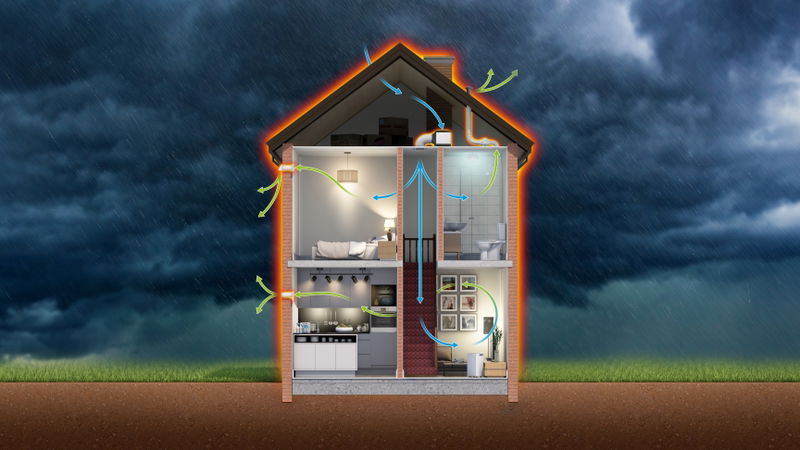
Condensation is one of the most common causes of mould growth in student accommodation. Shared houses can generate substantial amounts of moisture through cooking, showering and drying clothes, particularly where ventilation is limited.
Check that extractor fans in kitchens and bathrooms work correctly. Make sure air bricks, trickle vents and other permanent vents remain clear and unobstructed. Where the existing ventilation is inadequate, obtain advice on suitable improvements before the new tenancy begins.
Effective ventilation helps remove excess moisture before it can condense on cold surfaces and support mould growth. It also contributes to better indoor air quality.
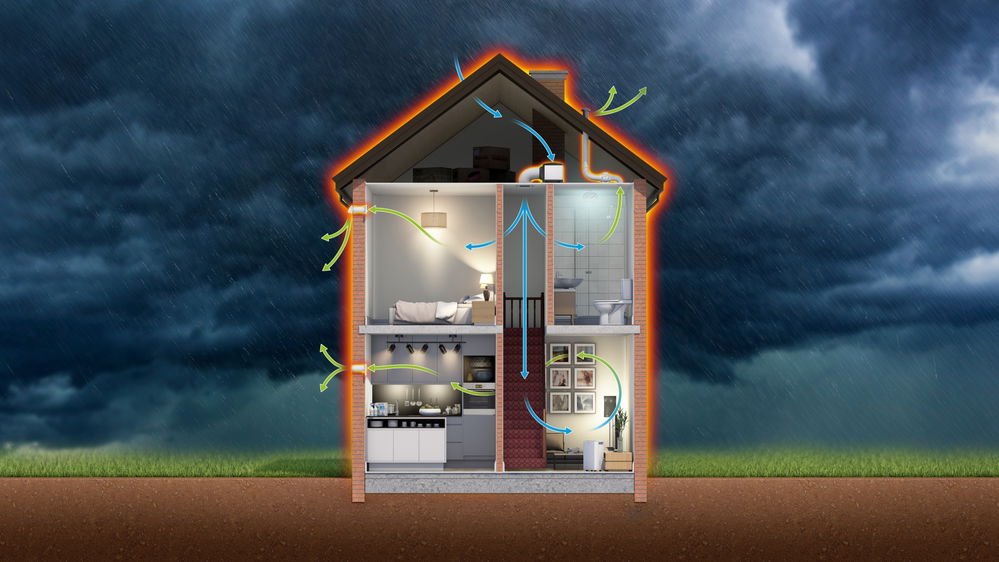
Mould often develops on cold surfaces where condensation forms. External walls, room corners, window reveals and poorly insulated areas are common problem locations.
During summer refurbishment work, identify and address cold spots. Depending on the property, suitable measures might include improving loft or wall insulation, reducing unwanted draughts and addressing gaps in existing insulation.
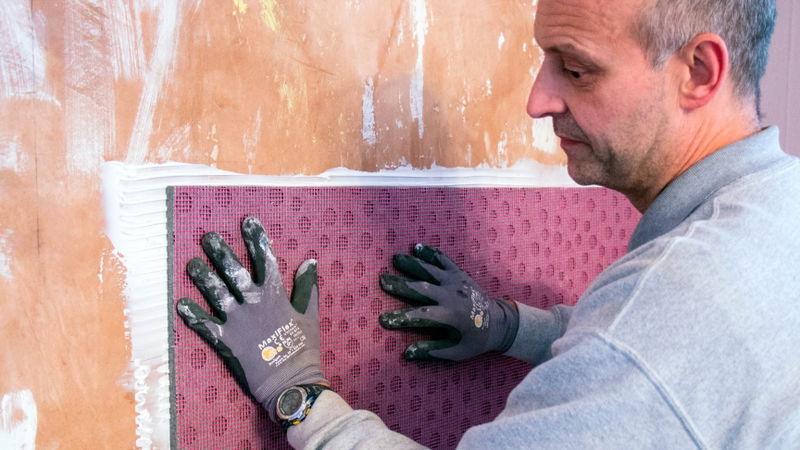
Plan insulation and draught-proofing work with the ventilation requirements of the whole building in mind. Consider IWI if suitable.
Increasing airtightness without providing adequate ventilation can raise the risk of condensation. Raising internal surface temperatures and reducing cold spots can make surface condensation less likely and may also improve energy efficiency.
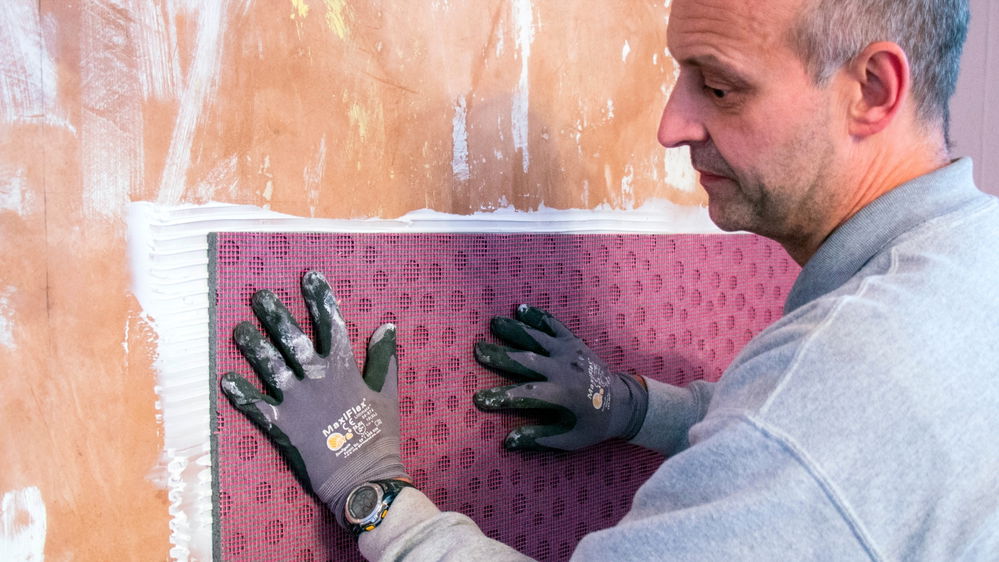

Normal activities such as cooking, showering and drying clothes release moisture into the home. Even a well-maintained property can develop condensation if this moisture cannot escape.
Provide practical guidance at the start of the tenancy. Advice could include using extractor fans, keeping trickle vents open and clear, closing internal doors when cooking or showering, leaving space between furniture and cold external walls and ventilating rooms while moisture is being produced. Tenants should also understand how to operate the heating controls and be encouraged to keep the property comfortably and consistently heated during colder weather where possible.
Where laundry must be dried indoors, tenants should use a suitably ventilated area or any ventilation provided for this purpose.
Make clear how tenants can report problems, encourage prompt reporting and maintain accurate records of inspections, reports and remedial work. Remember, tenant guidance should support good moisture management, but it must not replace the investigation and repair of building defects or inadequate heating and ventilation.

For more information about preventing and treating damp and mould, sign up for a free webinar. Check out the schedule here.
How can we help?
Related Pages
Get it Done

Subscribe to get information about products and offers.