How to Get Rid of Wasps and Hornets
Wasps, hornets and their nests are a familiar but unwelcome part of the UK summertime. Due to their fiery tempers and painful stings, wasps and hornets can become a big problem when they nest close to home.
This guide explains how to identify wasps and hornets, where they nest, why they become a nuisance and what to do if you find a nest on your property.
Estimated Reading Time: 11 minutes

Wasp activity depends on the season, so a few wasps in the garden does not always mean you have an infestation.
However, repeated activity around one entry point can indicate an active nest. Under roof tiles, in a wall cavity, inside a shed, in a loft or in the ground are all common wasp infestation hotspots. For much of the year, wasps help control other pests like caterpillars and greenflies while contributing to the wider environment. However, in summer, they can become a problem, especially in cases where they build nests close to homes and gardens.
Hornets are less common than wasps, but they pose a similar threat. The UK is home to the European hornet, a native species that should be distinguished from the invasive Asian hornet, also known as the yellow-legged hornet.
The common wasp and German wasp are typical examples of common UK social wasps.
Both types have smooth bodies, narrow waists and black and yellow markings. They are usually slimmer than bees and are less hairy. Their bodies are built for fast movement, and they often fly directly between food sources and the nest.
Wasps may be seen around fruit, sugary drinks, bins, compost, outdoor tables and pet food. Later in the season, they can become more noticeable around sweet foods as the colony’s needs change.
Wasps can be dangerous. They sting when they feel threatened, especially if a nest is disturbed. For most people, a wasp sting causes short-term pain, redness and swelling. Some people can have a more serious allergic reaction and may need urgent medical help.
Wasps are most likely to become a problem when they are nesting near doors, windows, roof spaces, paths, gardens, schools, hospitality areas or places where people need regular access.
The clearest sign is repeated wasp activity around the same entry point. You may see wasps flying in and out of a gap in brickwork, roof tiles, air vents, eaves, sheds, decking, hedges or the ground.
A single wasp indoors does not always mean there is a nest in the property. Several wasps appearing regularly in the same room, especially near a fireplace, loft hatch or light fitting, may suggest they are entering from a nearby void.
You should not disturb an active nest unless you are competent, properly protected and using a suitable method. Wasps can defend the nest in large numbers.
Nests in lofts, walls, roof spaces, chimneys, sheds, air bricks and high or awkward positions are usually best handled by a professional pest controller. Never block a live nest entrance, as this can force wasps further into the building.
Hornets look similar to large wasps, but they are usually bigger and more powerful in appearance.
The European hornet is the UK’s native hornet. It has a brown and yellow body, a broad head and a deeper buzzing flight. It can look intimidating because of its size, but it should not be confused with every large wasp-like insect.
The Asian hornet is different. It is usually darker in appearance, with yellow leg ends and a distinct orange-yellow band on the abdomen. Any suspected Asian hornet sighting should be reported through official channels.
The European hornet is native to the UK, but it is not usually seen as often as common wasps. Hornets often nest in hollow trees, roof spaces, wall cavities, sheds and other sheltered places.
If you see a large wasp-like insect, it is worth checking the identification before taking action. Some harmless insects mimic hornets, including hornet moths and hornet mimic hoverflies.
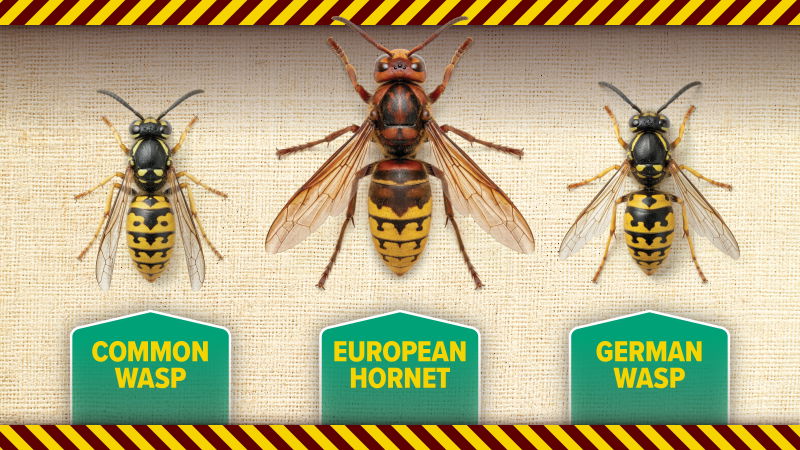
Hornets are larger than common wasps. The European hornet is usually brown and yellow, while common social wasps have a sharper black and yellow pattern. Hornets also tend to have fuller bodies.
Despite their size, hornets are not always more aggressive than wasps. Like wasps, they are most likely to sting if they are handled, trapped or if their nest is disturbed.
The Asian hornet, also called the yellow-legged hornet, has a dark brown or black body, with brown legs that are yellow at the ends. It is an invasive non-native species and should be reported if suspected.
Do not disturb the insect or try to remove a suspected Asian hornet nest. Take a photograph if it is safe to do so, then report the sighting through the Asian Hornet Watch app or the online reporting form.
Wasps and hornets are often mistaken for bees. This matters because bees are beneficial pollinators, so you should not try to remove them from your garden.
Bees are usually hairier and more rounded than wasps. They are often seen moving between flowers, rather than scavenging around bins, although they may investigate particularly sugary spills. Bumblebees are noticeably furry and rotund, while honeybees are smaller than bumblebees and less sharply striped than many wasps.
Species of wasp are broadly categorised into two types: social wasps and solitary wasps.
The UK is home to many species of wasp, but social wasps are the main concern when it comes to pest control. Unlike solitary wasps, social wasps live in colonies and build nests during summer that contain many workers. The common wasp and German wasp are two of the species most often associated with nuisance activity.
Common wasps (Vespula vulgaris) and German wasps (Vaspula germanica) can be difficult to differentiate at a glance. The easiest clue is in the face: common wasps usually have a black anchor-shaped mark, while German wasps usually show three small black dots. Markings can vary, so a clear close-up photograph is often needed for confident identification.
Solitary wasps, such as Sand wasps (Bembicini) and Digger wasps (Sphex), also exist in the UK. They do not form large colonies in the same way and are far less likely to become a household pest.
The UK has one native hornet, the European hornet (Vespa crabro). The Asian hornet (Vespa velutina) is an invasive species and should be reported if suspected.
Wasps are generally smoother, brighter and more clearly marked. Common social wasps have a narrow waist and are more likely to investigate food, drink, waste and bin areas.
Hornets are larger and more heavily built than wasps. The native European hornet is typically reddish-brown and yellow, rather than the strong black and yellow pattern seen on common wasps.
If you are not sure what insect you have found, make sure you accurately identify it before taking action. It may be helpful to take a photo to compare against a reference picture.
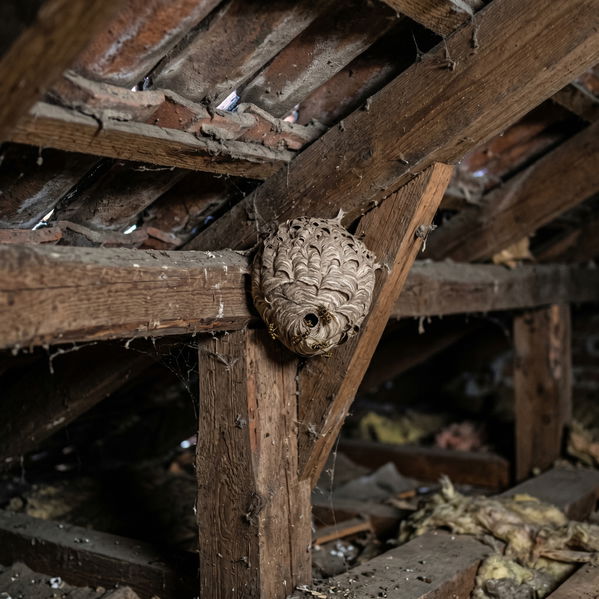
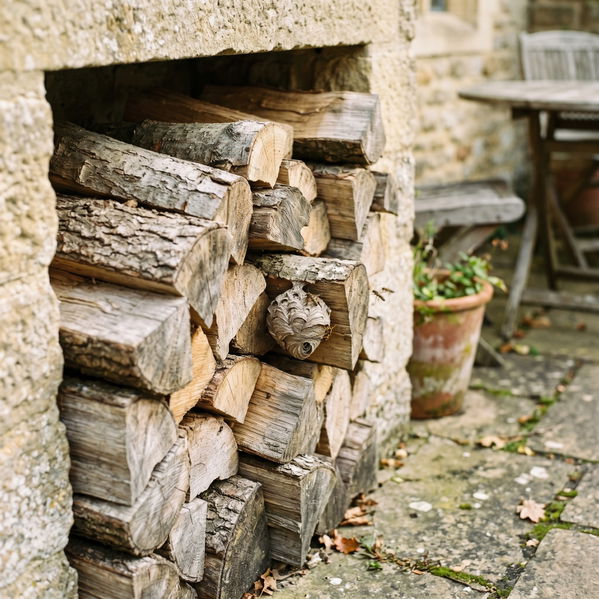
Wasp nests are papery structures made from chewed wood fibres mixed with saliva. They need to remain dry and protected. Although wasps make nests out of wood, they choose nest sites more for shelter, security and suitable space than for immediate access to timber.
Remember, a nest is not always visible. Many wasp nests are hidden inside voids, cavities or vegetation.
Trees, roof eaves, lofts and other roof spaces, sheds and wall voids are all common places for wasps to build their nests.
The most reliable clue of a hidden wasp nest is a regular flight path. Stand back and watch from a safe distance. If wasps are repeatedly entering and exiting from the same point, there may be a nest inside.
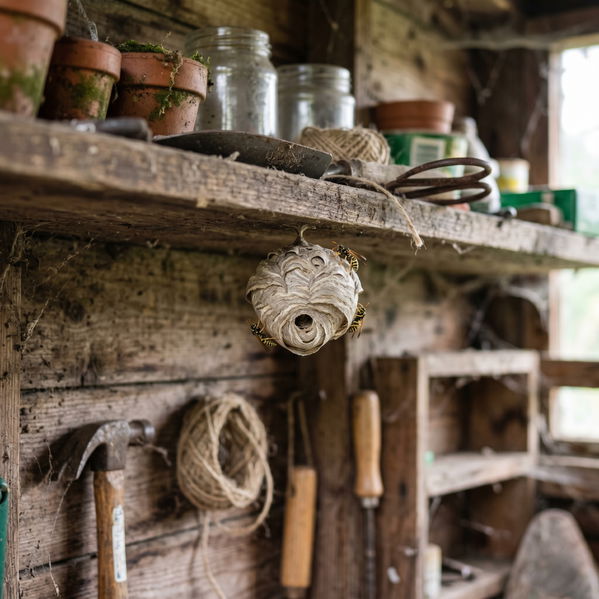
Common signs of wasp infestation include:
Wasps flying in and out of a gap in the roofline
Activity around air bricks, vents or holes in masonry
Wasps entering a shed, garage, loft or wall cavity
A papery nest visible in a loft, hedge, tree or outbuilding
Increased numbers of wasps indoors
Wasps appearing near light fittings, fireplaces or loft hatches
Hornet nests may be found in hollow trees, roof spaces, sheds or other sheltered voids. As with wasps, repeated activity around a single entry point is the main sign.
Loud buzzing noises
Tapping or popping noises (the sound of hungry wasp larvae!)
You can carry out a basic wasp inspection without disturbing the nest.
Start by watching the building from outside. Look at roof edges, gutter lines, eaves, vents, air bricks, sheds, garages and gaps around pipework. Wasps usually follow a clear route once the colony is active.
Check outdoor eating areas, bins, compost heaps, fruit trees and pet feeding areas. These places may attract foraging wasps even when the nest is elsewhere.
Follow your ears. A hidden or growing wasp nest may become easier to hear as activity increases, especially in a wall cavity, ceiling void or loft. You may notice buzzing or humming from adult wasps, or a faint clicking, crackling or popping sound from inside the nest. This sound is often linked to larvae moving in their cells or producing hunger signals for adult wasps, and it can sometimes be mistaken for dripping water.
Avoid tapping walls, spraying random gaps or shining lights directly into a nest entrance. This can make wasps defensive. If you've confirmed the presence of wasps or hornets, spray NOPE! Wasp Killer Spray directly at the entrance from a 5 metre distance.
Common nesting locations include:
Lofts and roof spaces
Wall cavities
Eaves and soffits
Sheds and garages
Hedges and shrubs
Trees
Compost heaps
Decking voids
Ground holes and banks
Air bricks and vents
Outbuildings
Wasps and hornets can sting. The sting is usually painful and may cause swelling, redness and irritation around the affected area. For more information, refer to the NHS advice on insect bites and stings.
Most local reactions settle without serious problems. However, some people can develop an allergic reaction. Signs of a severe reaction can include breathing difficulty, dizziness, swelling of the mouth or throat, widespread rash, collapse or symptoms affecting more than the sting site. In these cases, urgent medical help is needed.
Wasps and hornets can also create practical risks even when no one is allergic. A nest close to a doorway, nursery, school, care setting, workplace, pub garden or food business may make normal use of the area difficult.
The risk is greatest when the nest is disturbed. Never try to touch or move a wasp or hornet nest.
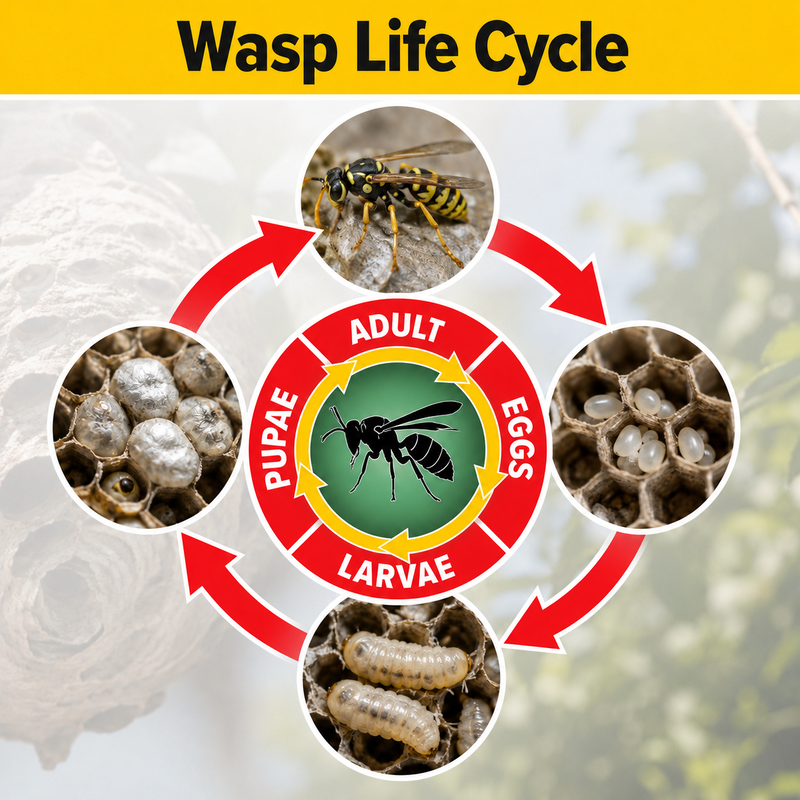
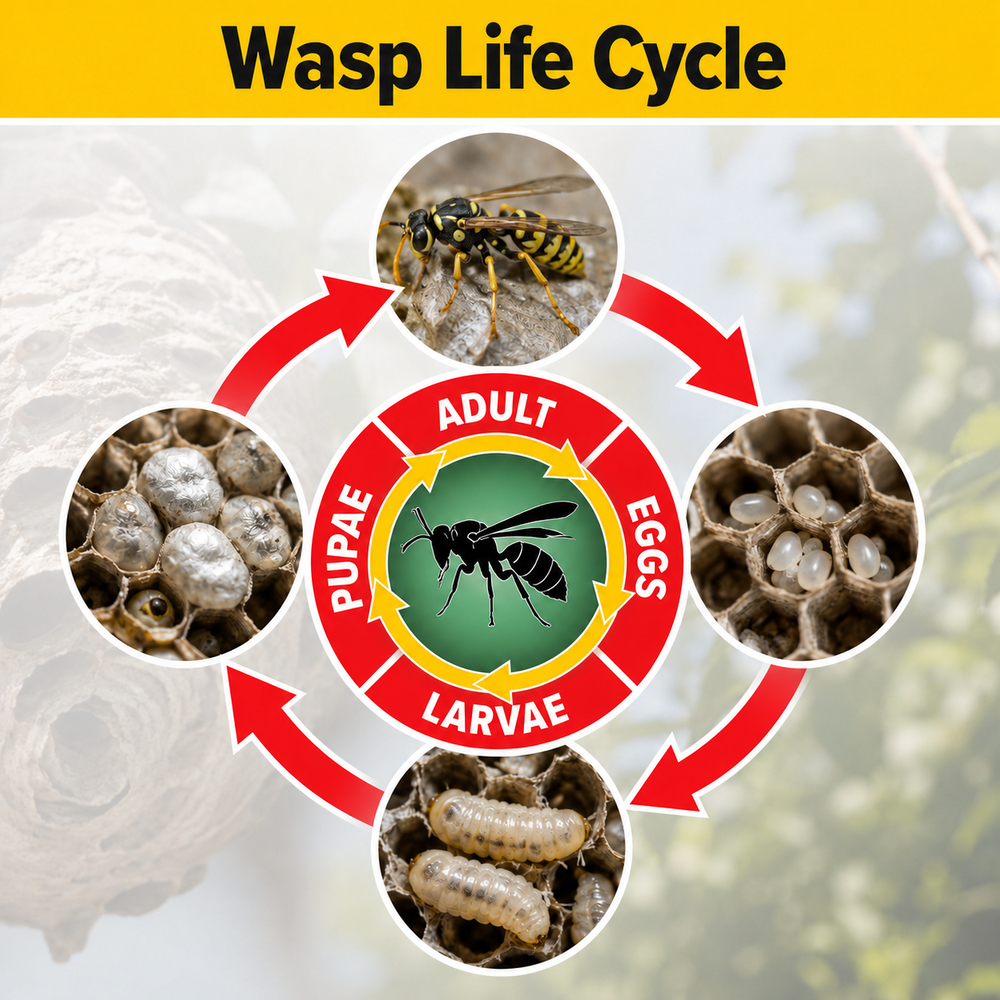
Wasp activity follows a seasonal pattern.
In spring, queen wasps emerge and look for suitable nest sites. They begin building a small papery nest and rear the first workers.
As the weather warms, the colony grows. Worker wasps collect food and expand the nest. During this period, wasps hunt other insects to feed the developing larvae.
By late summer, colonies are usually much larger. Wasps may become more noticeable around sweet foods, ripe fruit, bins and outdoor meals. This is when many people first become aware of a problem.
Towards the end of the season, the colony naturally declines. New queens leave to overwinter elsewhere. The old nest is not normally reused in the same way the following year, although a new nest may be built nearby if conditions are suitable.
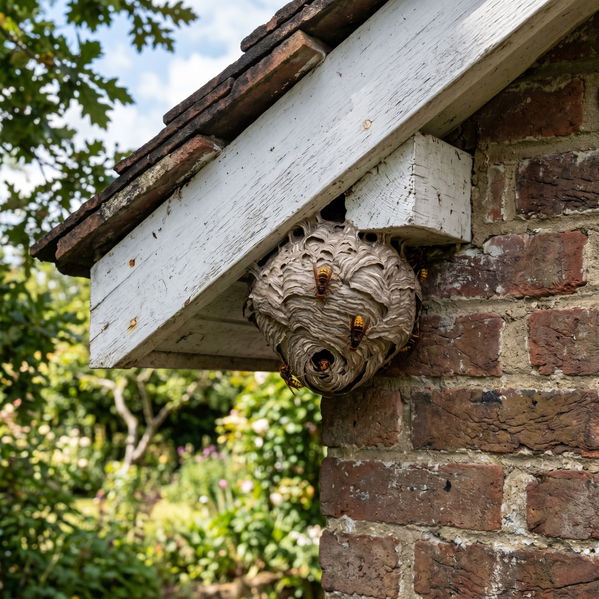
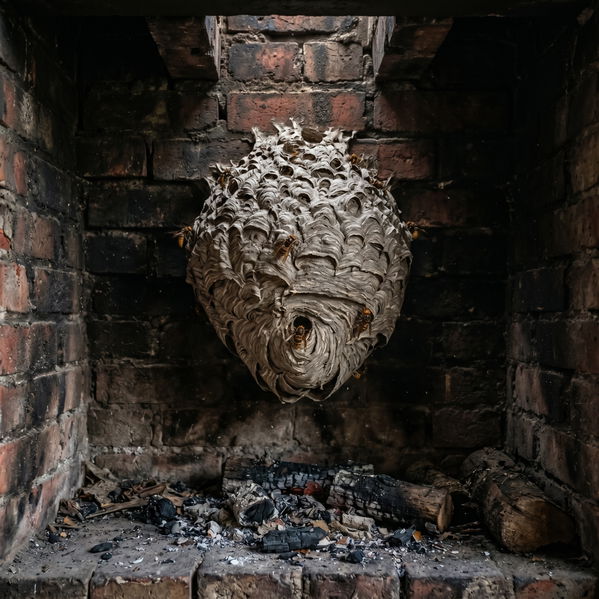
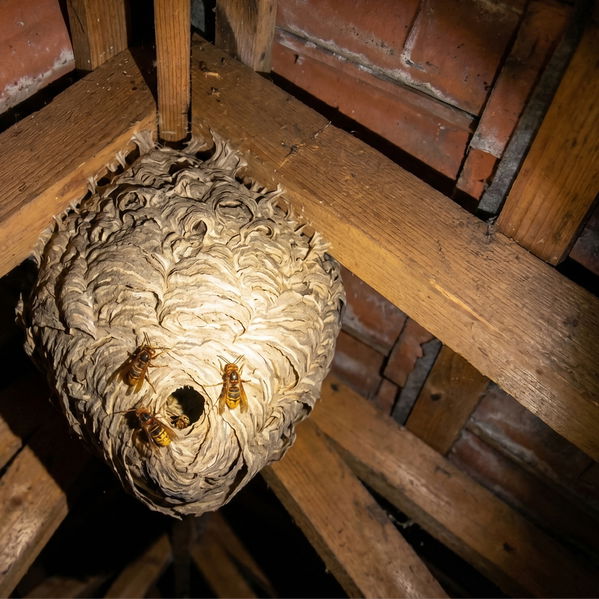
European hornets usually prefer sheltered, enclosed spaces. In natural settings, they may nest in hollow trees. Around buildings, they may use roof voids, wall cavities, sheds, barns or other quiet spaces.
Hornets are most likely to become a pest when the nest is close to people, pets or regular access routes. While their sheer size can frighten, you should still based your treatment decision on nest location, risk and correct identification.
If you suspect an Asian hornet nest, do not approach it. Report it.
Wasps and hornets choose nest sites because they are sheltered, dry and suitable for colony development.
Possible attractants include:
Open bins
Food waste
Sugary drinks
Ripe fruit
Pet food
Compost heaps
Untreated gaps into roof or wall voids
Quiet sheds and outbuildings
You cannot prevent every wasp from entering a garden, but you can reduce the conditions that attract them.
Keep bins closed and clean up food waste. Rinse bottles, cans before throwing away or recycling. Don't leave out food and drinks, especially sweet drinks that can attract wasps into cups and cans.
Check sheds, rooflines and outbuildings in spring for early activity. Small nests are easier to assess than mature nests later in the season. Seal obvious building defects when no nest is active, especially gaps into lofts, soffits, vents and wall cavities.
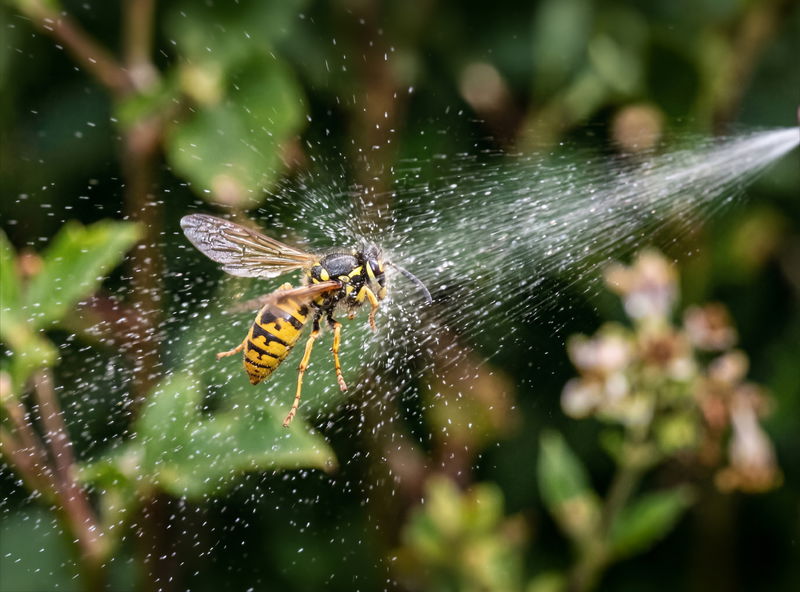
If one or two wasps enter the home, open a window and allow them to leave where possible. Wasps sting when they sense a threat, so avoid swatting them, especially near other wasps.
If wasps are regularly getting indoors, look for the entry point. They may be coming through a fireplace, loft hatch, ceiling void, wall gap, light fitting or even just an open window. Keep people and pets away from the affected area until it is secure.
When considering pest control, focus on the nest. Spraying single wasps will not solve the infestation on its own.
Do not block holes, foam gaps or seal entry points while the nest is active. This can trap wasps inside the structure and may force them into living spaces.
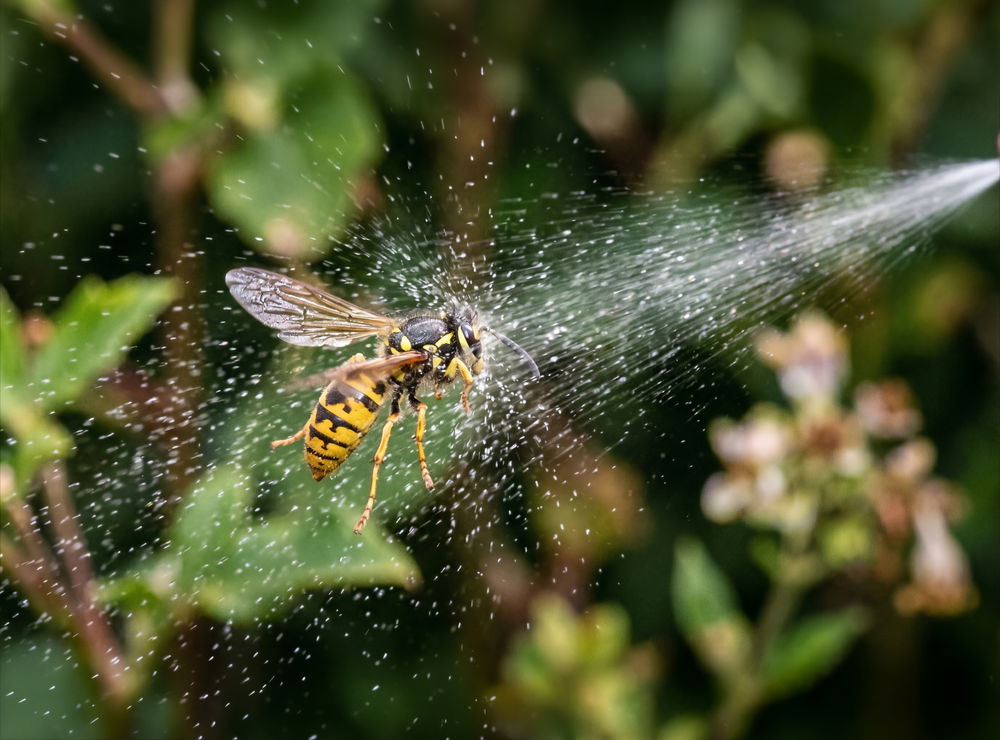
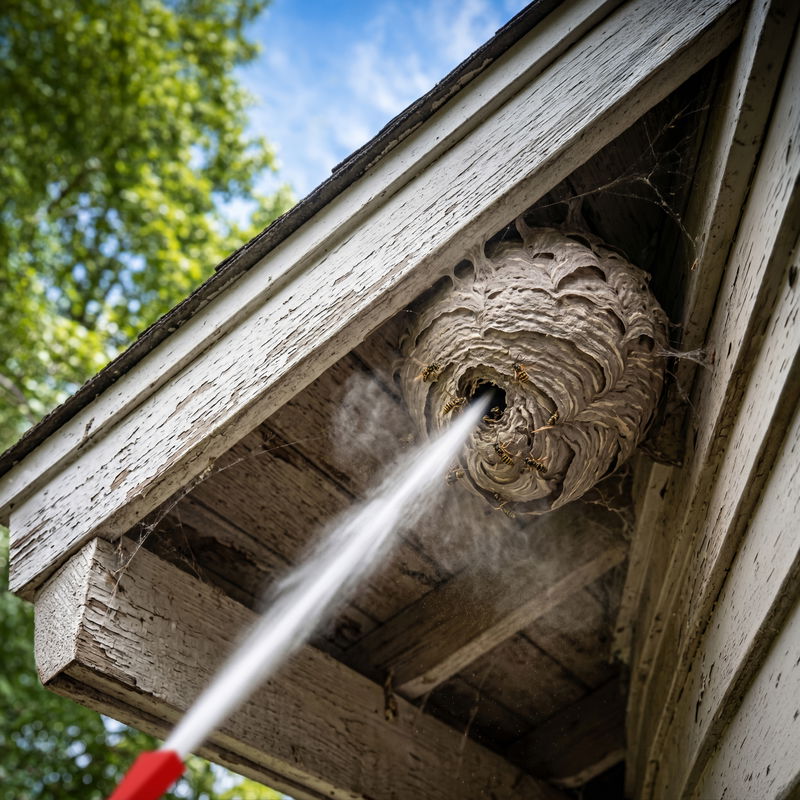
The right approach to wasp control depends on where the nest is, how active it is and whether people are at risk.
A visible nest in a quiet part of the garden may not need treatment if it is away from people. It will naturally decline with colder weather. However, a nest close to a doorway, bedroom, loft access, public area or workplace may need intervention.
For confirmed wasp or hornet nests within 5 metres, NOPE! Wasp & Hornet Killer can be deployed directly to the nest entrance.
After treatment, wasp activity may continue for a short period as foraging workers return to the nest. The nest should not be removed or sealed until activity has stopped.
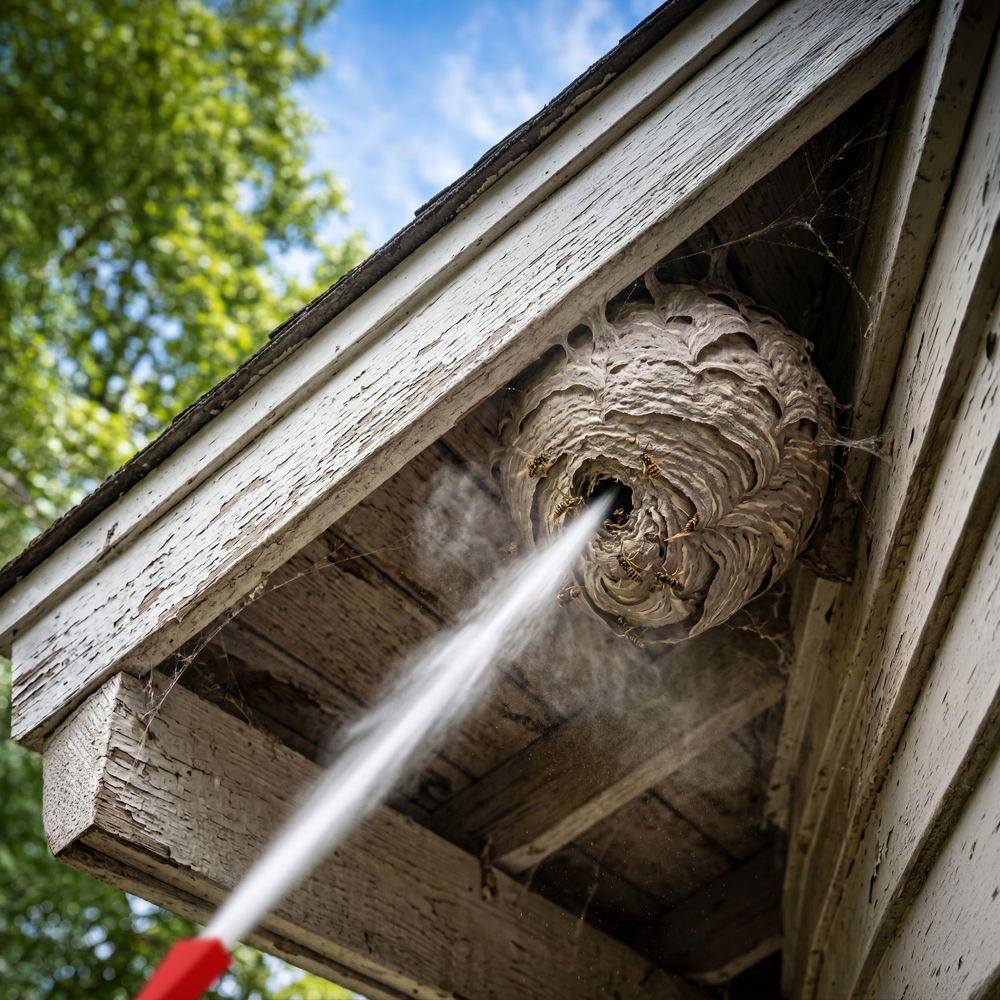
Hornet control follows the same basic principles as wasp control: identify the insect, locate the nest, assess the risk and avoid disturbing the colony.
A European hornet nest may not need treatment if it is well away from people. If the nest is near a home, business, school, path or seating area, professional control may be needed.
Do not attempt to knock down, burn, flood or block a hornet nest. These methods are unsafe and can increase the risk of stings.
If you identify an Asian hornet, report it.

Wasps in the garden do not always nest on your property. They may be foraging from a nest nearby.
If your garden is attracting visiting wasps, start by reducing attractants. Keep bins closed, clear food waste and pick up any fruit that has fallen from trees. Cover sweet drinks and food during outdoor meals. Avoid leaving pet food outside for long periods.
If wasps are repeatedly entering the ground, a hedge, shed or wall, there may be a nest. Keep children and pets away from the area and do not disturb it.
Ground nests can be difficult to see and easy to disturb with mowing or gardening.

The Asian hornet, or yellow-legged hornet, is an invasive non-native species. It is a concern because of its impact on pollinators, especially bees.
It is not the same as the European hornet, which is native to the UK. Asian hornets are darker, with yellow leg ends and an orange-yellow band on the abdomen.
If you suspect an Asian hornet:
Do not approach the nest
Do not try to treat it yourself
Take a clear photograph only if safe
Record the location
Report the sighting through the Asian Hornet Watch app or online form
Wasps and hornets should be managed according to risk. Not every insect needs treatment, and not every nest presents the same problem.
If you have assessed that it is safe and appropriate to do so, a Wasp Killer Spray with a long reach (such as NOPE! Wasp & Hornet Killer Spray) can stop infestations at the source. For maximum effectiveness, spray directly at the nest entrance.
If you are ever unsure whether you have wasps, hornets, bees or another insect, a pest controller should be able to help. They can also assess whether the nest is active and how it should be treated.
This is especially important where nests are hidden in places higher than 5 metres, such as in roof spaces. These locations can be difficult to access and may increase the risk of stings if handled incorrectly.
Once a nest has been controlled and activity has stopped, entry points can be repaired where appropriate. This helps reduce the chance of future nesting in the same vulnerable areas.
Wasps and hornets are a normal part of the UK environment, but they can be dangerous to people, pets or safe access. Correct identification, careful inspection and safe treatment are the best way to deal with the problem.
How can we help?
Related Pages
Get it Done

Subscribe to get information about products and offers.



